
Dental implants are one of the most effective and long-lasting solutions for replacing missing teeth. They look, feel, and function like natural teeth, which is why many patients consider them the gold standard for tooth replacement. However, not everyone is immediately a candidate for dental implants. Certain health conditions, lifestyle factors, and oral health issues can temporarily or permanently affect eligibility.
At Sunnyvale Implant Center in San Jose, CA, patients often ask what might disqualify them from dental implants. The good news is that many of the factors that affect implant candidacy can often be addressed with proper treatment and planning.
Severe Bone Loss in the Jaw
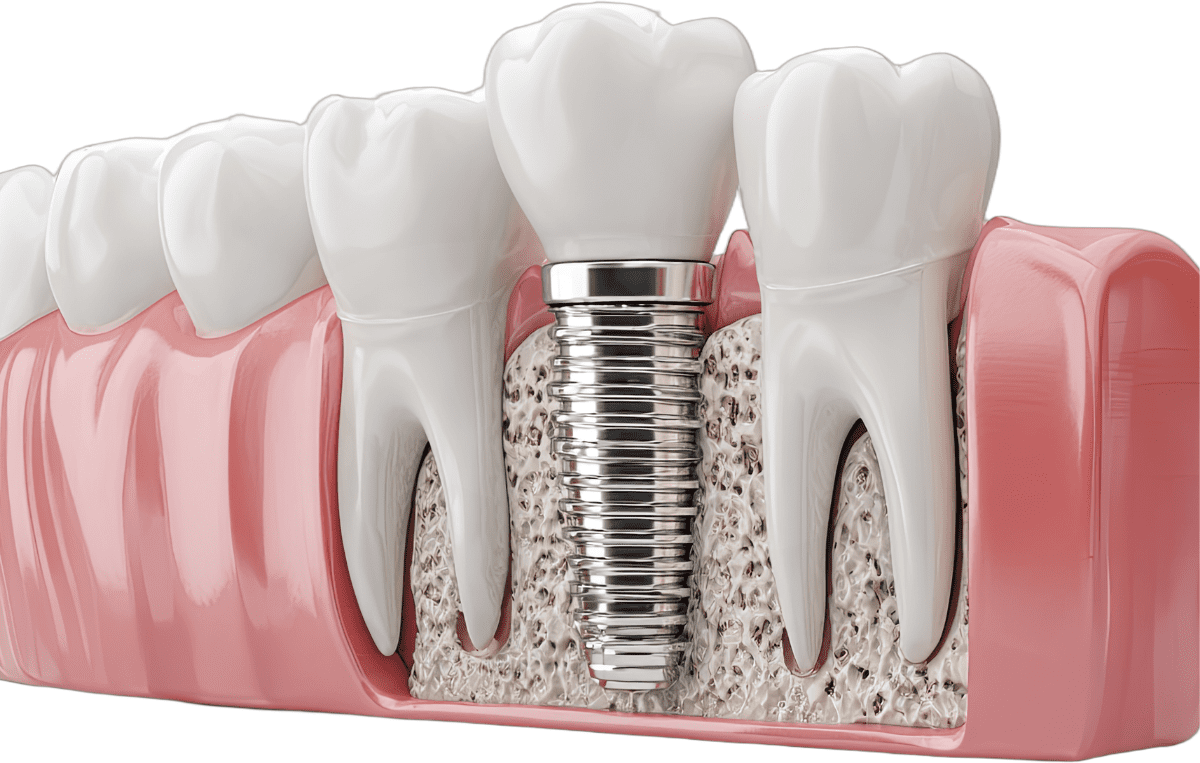
Dental implants rely on the jawbone for support. The implant post must fuse with the bone through a process called osseointegration, which creates a stable foundation for the replacement tooth.
If a patient has experienced significant bone loss in the jaw, there may not be enough bone available to hold the implant securely. Bone loss can occur due to:
- Long-term missing teeth
- Advanced gum disease
- Injury or trauma
- Denture use over many years
In many cases, this does not permanently disqualify someone from implants. Procedures such as bone grafting can rebuild the jawbone and allow implants to be placed successfully later.
Advanced Gum Disease
Healthy gums play an important role in supporting dental implants. Patients with untreated periodontal (gum) disease may not be good candidates for implant surgery until the infection is treated.
Gum disease can damage both the soft tissues and the bone that hold implants in place. If the condition is active during implant placement, it may increase the risk of implant failure.
Before moving forward with implant treatment, dentists typically recommend treating gum disease and ensuring the gums are healthy enough to support the implant.
Smoking or Tobacco Use
Smoking and tobacco use can significantly affect the success of dental implants. Tobacco reduces blood flow to the gums, which slows healing after implant surgery.
Smokers may face higher risks of:
- Delayed healing
- Infection
- Implant failure
- Gum complications
Some dentists may require patients to quit smoking or significantly reduce tobacco use before and after implant surgery to improve treatment outcomes.
Certain Medical Conditions
Some systemic health conditions can affect how well the body heals after surgery. While these conditions do not always disqualify someone from implants, they may require additional evaluation.
Examples include:
- Uncontrolled diabetes
- Autoimmune disorders
- Certain bone diseases
- Conditions that weaken the immune system
Patients undergoing treatments such as radiation therapy in the jaw area may also require special considerations before implant placement.
A thorough medical review helps determine whether implants are safe and appropriate.
Poor Oral Hygiene Habits
Dental implants require ongoing care just like natural teeth. Patients must maintain good oral hygiene and attend regular dental checkups to protect their investment.
Poor oral hygiene can lead to peri-implantitis, a condition similar to gum disease that affects the tissues around dental implants.
Patients who are unable or unwilling to maintain proper oral hygiene may not be ideal candidates until these habits improve.
Teeth Grinding or Excessive Bite Pressure
Chronic teeth grinding, also known as bruxism, can place excessive pressure on dental implants. Over time, this pressure may damage the implant or surrounding structures.
Dentists may recommend solutions such as a custom night guard to protect implants from grinding forces.
With proper management, many patients with bruxism can still receive dental implants successfully.
Age and Jaw Development
Dental implants are typically recommended for adults whose jawbones have finished developing. For this reason, implants are usually not placed in teenagers whose facial growth is still ongoing.
However, there is no upper age limit for dental implants. Many older adults successfully receive implants as long as their oral health and overall health support the procedure.
Many Patients Still Qualify With the Right Treatment Plan
It is important to understand that very few conditions permanently disqualify someone from dental implants. Modern dentistry offers many treatments that can help patients become candidates for implants.
These may include:
- Bone grafting procedures
- Gum disease treatment
- Sinus lifts
- Lifestyle changes
- Custom treatment planning
With the right preparation, many patients who initially thought implants were not possible can still achieve successful results.
Dental Implant Consultation in San Jose, CA
If you are wondering whether you qualify for dental implants, the best first step is a professional evaluation. At Sunnyvale Implant Center in San Jose, CA, our team uses advanced imaging and detailed examinations to determine the best tooth replacement options for each patient.
We create personalized treatment plans designed to restore both function and appearance while supporting long-term oral health.
Schedule a consultation with Sunnyvale Implant Center in San Jose, CA, to learn whether dental implants are the right solution for replacing missing teeth and restoring your smile.