Oral surgery can sound intimidating, but modern techniques make many procedures safer, faster, and more comfortable than ever before. A trusted Dentist in San Jose, California, may recommend oral surgery to protect your long-term dental health, restore function, or prepare for restorative treatments such as dental implants.
Oral surgery addresses issues that cannot be corrected with routine dental care alone. These procedures often improve comfort, prevent complications, and preserve oral structures.
Quick Answer: What Is Oral Surgery?
Oral surgery refers to surgical procedures involving the teeth, gums, jawbone, or surrounding oral structures to treat disease, injury, or functional problems.
Common oral surgery procedures include:
- Wisdom tooth removal
- Dental implant placement
- Bone grafting
- Tooth extractions
- Gum surgery
Common Reasons Patients Need Oral Surgery
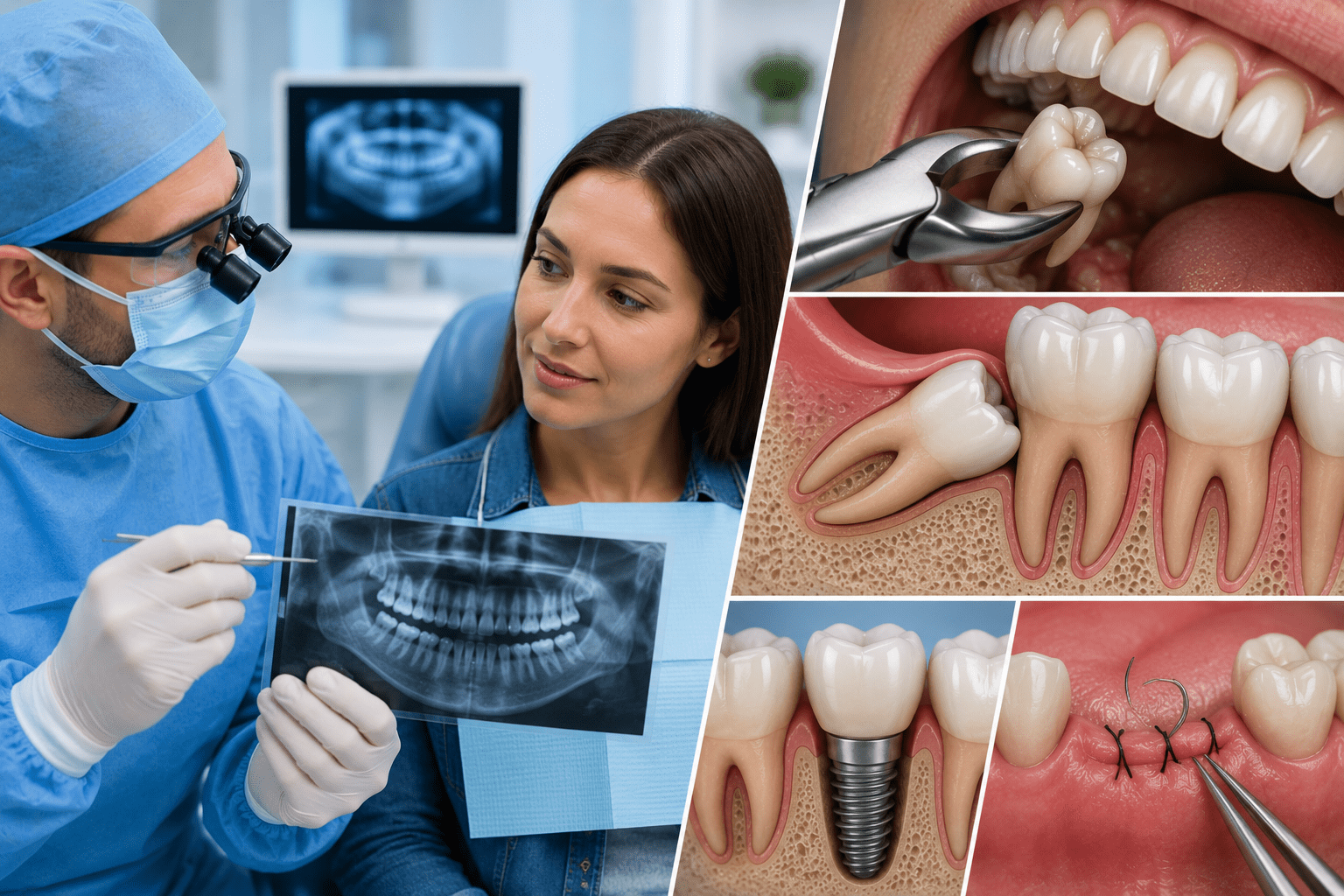
Impacted Wisdom Teeth
Wisdom teeth often become impacted because there is insufficient space in the jaw.
Symptoms May Include:
- Jaw pain
- Swelling
- Gum infections
- Difficulty chewing
- Headaches
Removing impacted wisdom teeth can help prevent:
- Tooth crowding
- Decay
- Gum disease
- Bone damage
Severe Tooth Damage or Infection
Sometimes a tooth cannot be saved with a filling or crown.
Extraction May Be Necessary When:
- Infection reaches the tooth root
- Fractures are severe
- Advanced decay destroys the tooth structure
After extraction, many patients choose dental implants for restoration.
Bone Loss in the Jaw
Jawbone deterioration commonly occurs after tooth loss.
Bone Grafting Helps:
- Restore jaw structure
- Prepare for implants
- Improve facial support
Bone grafting procedures encourage new bone growth and increase implant success rates.
Periodontal Disease Complications
Advanced gum disease may require surgical treatment to:
- Remove bacteria
- Reduce deep pockets
- Restore gum tissue
Dental Implant Surgery Explained
Dental implant surgery is one of the most common oral surgery procedures today.
Step-by-Step Implant Surgery Process
1. Evaluation and Imaging
Digital scans assess bone density and oral anatomy.
2. Implant Placement
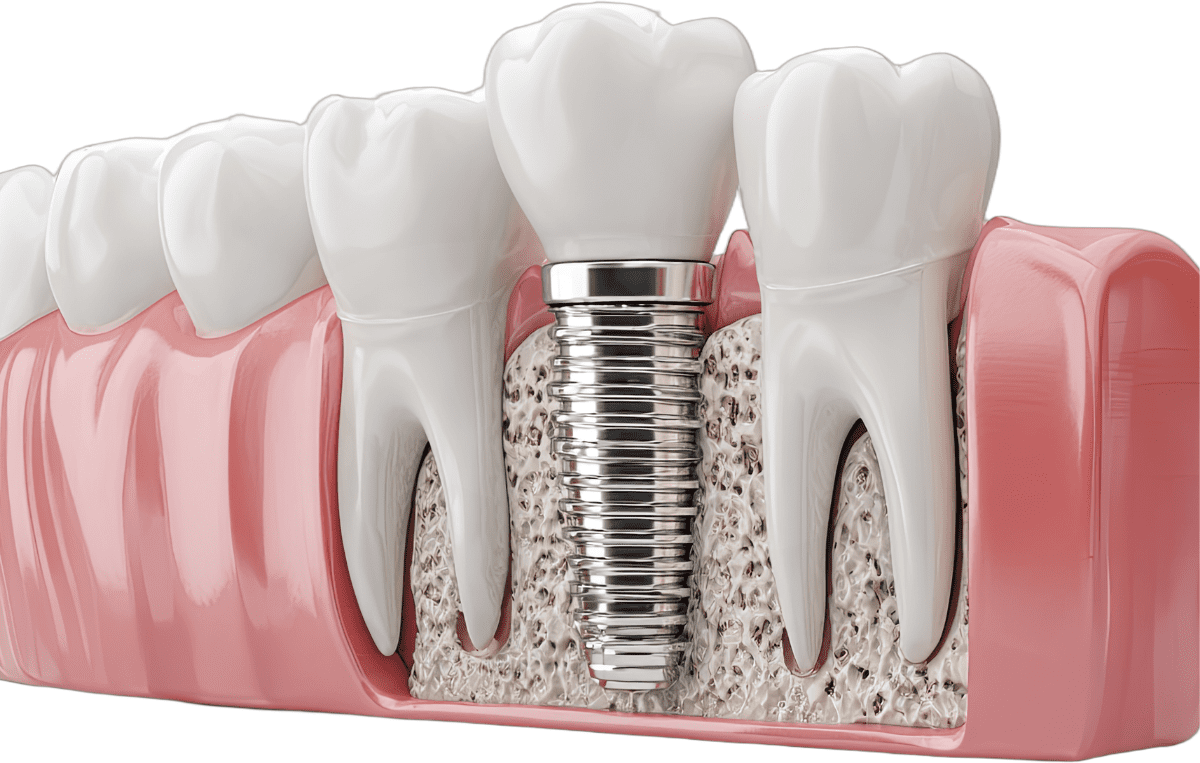
A titanium implant post is placed into the jawbone.
3. Healing Phase
Osseointegration allows the implant to fuse with bone.
4. Final Restoration
A custom crown is attached to complete the smile.
According to the American Academy of Implant Dentistry, implant success rates often exceed 95%.
Sedation Options for Oral Surgery
Many patients worry about discomfort during surgery.
Modern dentistry offers several sedation options:
- Local anesthesia
- Nitrous oxide
- Oral sedation
- IV sedation
Sedation improves comfort and reduces anxiety during procedures.
Recovery After Oral Surgery
Recovery time depends on the procedure performed.
Helpful Recovery Tips
- Rest for 24–48 hours
- Avoid smoking
- Eat soft foods
- Use cold compresses
- Follow post-operative instructions carefully
Recommended Soft Foods
- Smoothies
- Yogurt
- Soup
- Applesauce
- Mashed potatoes
Signs You Should See a Dentist Immediately
Contact a Dentist in San Jose, California if you experience:
- Persistent jaw pain
- Swollen gums
- Difficulty opening your mouth
- Loose teeth
- Severe tooth infection
- Facial swelling
Early intervention often prevents more complex treatment later.
How Oral Surgery Supports Long-Term Oral Health
Oral surgery is not only about removing problems. It often:
- Prevents future complications
- Restores function
- Improves aesthetics
- Supports restorative treatment success
For example, implant surgery helps maintain jawbone health and chewing ability for years.
If you are experiencing tooth pain, jaw discomfort, or need advanced restorative care, Sunnyvale Implant Center provides personalized oral surgery solutions in a comfortable environment. Schedule a consultation with a trusted Dentist in San Jose, California today.
Frequently Asked Questions
Is oral surgery painful?
Modern anesthesia and sedation techniques make procedures significantly more comfortable than many patients expect.
How long does recovery take?
Minor procedures may heal within days, while implant integration can take several months.
Will I need sedation?
Sedation depends on procedure complexity and patient comfort preferences.
Are dental implants considered oral surgery?
Yes. Implant placement is a surgical procedure involving the jawbone.
Can bone grafting be done during implant surgery?
In some cases, yes. Your dentist will determine whether simultaneous treatment is appropriate.