Preventive dentistry is one of the smartest investments you can make for your oral health. Visiting a trusted Dentist in San Jose, California, regularly can help prevent costly dental problems before they become severe.
Routine cleanings, exams, and early diagnosis help patients avoid:
- Tooth decay
- Gum disease
- Tooth loss
- Expensive restorative treatments
According to the CDC, untreated cavities remain one of the most common chronic diseases among adults and children in the United States.
Quick Answer: What Is Preventive Dentistry?
Preventive dentistry focuses on maintaining oral health and preventing dental disease through regular cleanings, exams, hygiene education, and early treatment.
Why Preventive Dentistry Matters
Many dental issues develop gradually without pain in the early stages.
Regular preventive visits help identify:
- Cavities
- Gum disease
- Oral cancer
- Bite problems
- Enamel wear
Early Detection Saves Money
Treating a small cavity is significantly less expensive than:
- Root canals
- Crowns
- Tooth extractions
- Dental implants
Core Preventive Dental Services
Professional Dental Cleanings
Even patients with excellent brushing habits develop plaque and tartar over time.
Professional cleanings help:
- Remove hardened deposits
- Reduce gum inflammation
- Prevent periodontal disease
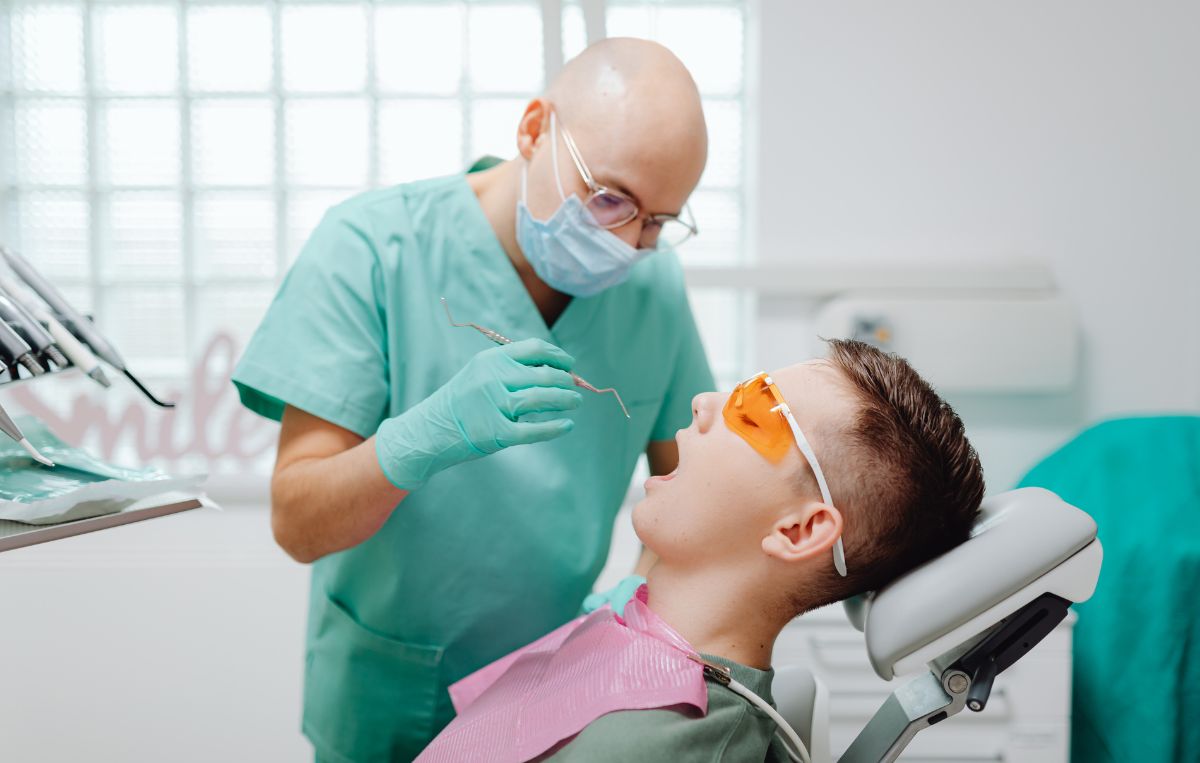
Comprehensive Dental Exams
Routine exams allow dentists to monitor changes before they worsen.
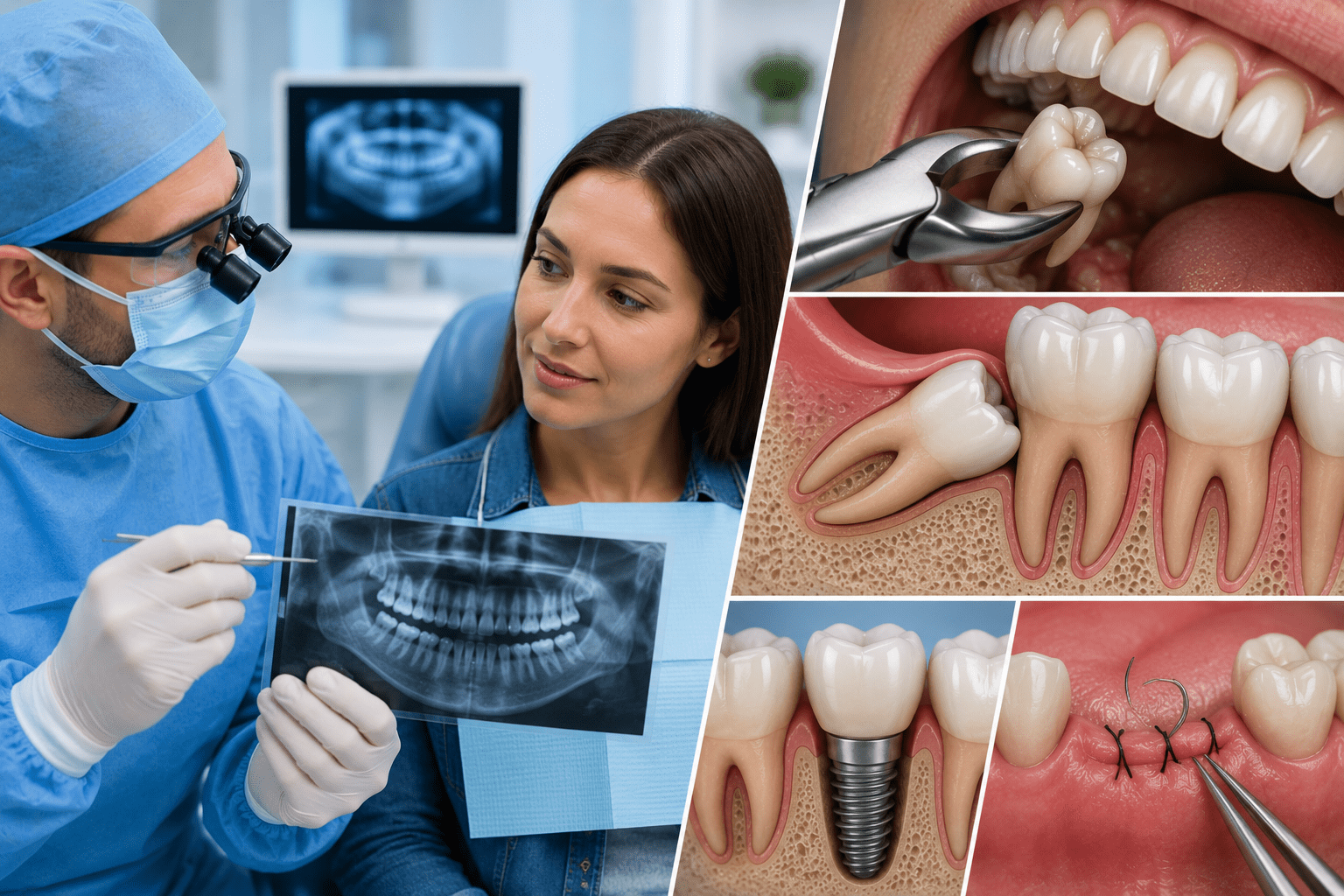
Exams Often Include:
- X-rays
- Gum evaluations
- Bite analysis
- Tooth decay screening
Oral Cancer Screenings
Oral cancer screenings are a critical part of preventive dentistry.
Early Signs May Include:
- Persistent sores
- White patches
- Difficulty swallowing
- Unexplained mouth pain
Early diagnosis dramatically improves treatment outcomes.
The Connection Between Oral Health and Overall Health
Research links oral health to systemic conditions such as:
- Heart disease
- Diabetes
- Respiratory illness
Gum disease may contribute to inflammation throughout the body.
According to the Mayo Clinic, poor oral health can influence overall wellness and chronic disease management.
Daily Habits That Protect Your Teeth
Brush Properly Twice Daily
Use fluoride toothpaste and brush for two full minutes.
Floss Every Day
Flossing removes plaque between teeth where toothbrushes cannot reach. Traditional floss or Waterpiks are a great option.
Limit Sugary Foods and Drinks
Frequent sugar exposure increases cavity risk.
Avoid Smoking
Smoking increases the likelihood of gum disease and oral cancer.
Preventive Dentistry for Children and Adults
Preventive care benefits patients of all ages.
Children Benefit From:
- Sealants
- Fluoride treatments
- Early orthodontic evaluations
Adults Benefit From:
- Gum disease monitoring
- Oral cancer screenings
- Restorative maintenance
How Often Should You Visit the Dentist?
Most patients benefit from dental visits every six months.
However, some patients may require more frequent visits if they have:
- Gum disease
- Diabetes
- High cavity risk
- Smoking history
A Dentist in San Jose, California can recommend a personalized schedule.
Preventive Dentistry and Dental Implants
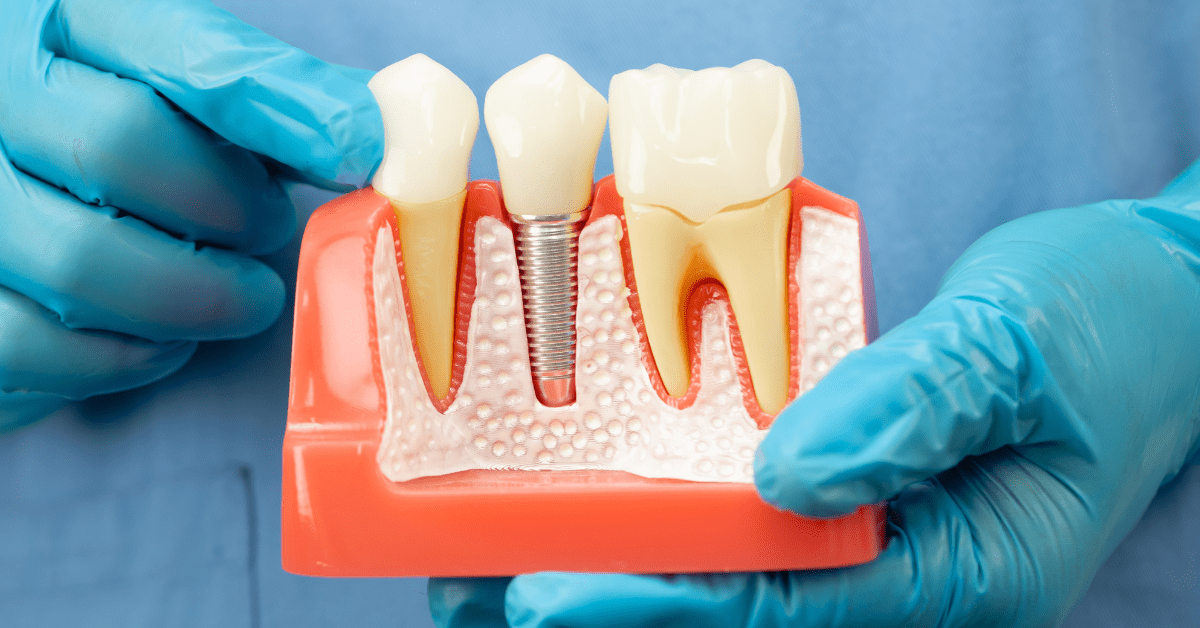
Preventive care also protects restorative treatments like implants.
Good oral hygiene helps:
- Prevent peri-implant disease
- Extend restoration lifespan
- Maintain gum health
Protect your smile before problems become painful or expensive. Schedule a preventive dental visit with Sunnyvale Implant Center and receive personalized care from an experienced Dentist in San Jose, California.
Frequently Asked Questions
Is preventive dentistry really necessary if my teeth feel fine?
Yes. Many dental problems develop without noticeable symptoms initially.
How often should teeth be cleaned professionally?
Most patients benefit from cleanings every six months.
Does insurance cover preventive care?
Many dental insurance plans cover preventive services partially or fully.
Are X-rays safe?
Modern digital X-rays use very low radiation levels and are considered safe.
What happens during a dental exam?
Exams often include cavity detection, gum evaluation, oral cancer screening, and imaging when necessary.