
Having diabetes does not automatically rule out dental implants. It does mean the dental and medical teams should consider blood glucose management, gum health, infection risk, medications, and healing before surgery. A treatment plan based on current health is more useful than a simple yes-or-no rule.
If you have diabetes and a missing tooth, begin with a complete evaluation and bring an updated medication list. Your dentist may also ask when you last saw the clinician managing your diabetes and whether recent laboratory results are available.
The connection between diabetes and oral health
High blood glucose can make infections harder to control, while gum disease can complicate diabetes management. The National Institute of Diabetes and Digestive and Kidney Diseases explains the relationship between diabetes, gum disease, and other dental problems.
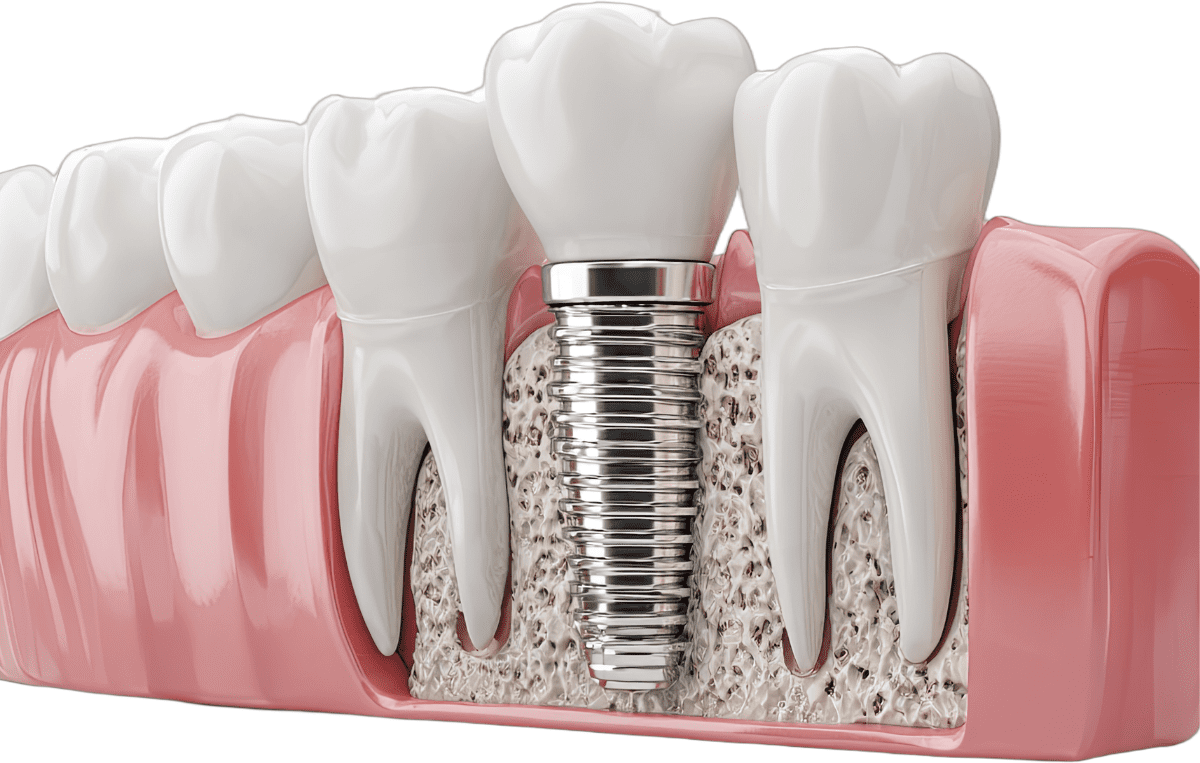
For an implant, the condition of the gums and supporting bone matters. Active periodontitis, plaque buildup, or untreated infection may need attention before surgery, regardless of whether a patient has diabetes.
Why glucose management matters for implants
Implant surgery relies on the body’s ability to close the soft tissue and form bone around the implant. Poorly controlled diabetes may increase the chance of infection or delayed healing. The FDA lists uncontrolled diabetes as a factor associated with systemic infection and implant failure risk.
Your dentist may coordinate with your physician when your health history suggests that medical input is needed. Dental professionals do not replace your diabetes clinician, and you should not alter medication or meal timing on your own before surgery.
Preparing for the consultation
Share whether you have type 1, type 2, gestational, or another form of diabetes; the medicines you use; any episodes of low blood glucose; and your usual meal schedule. Explain any history of slow wound healing, frequent infections, kidney disease, cardiovascular disease, or tobacco use.
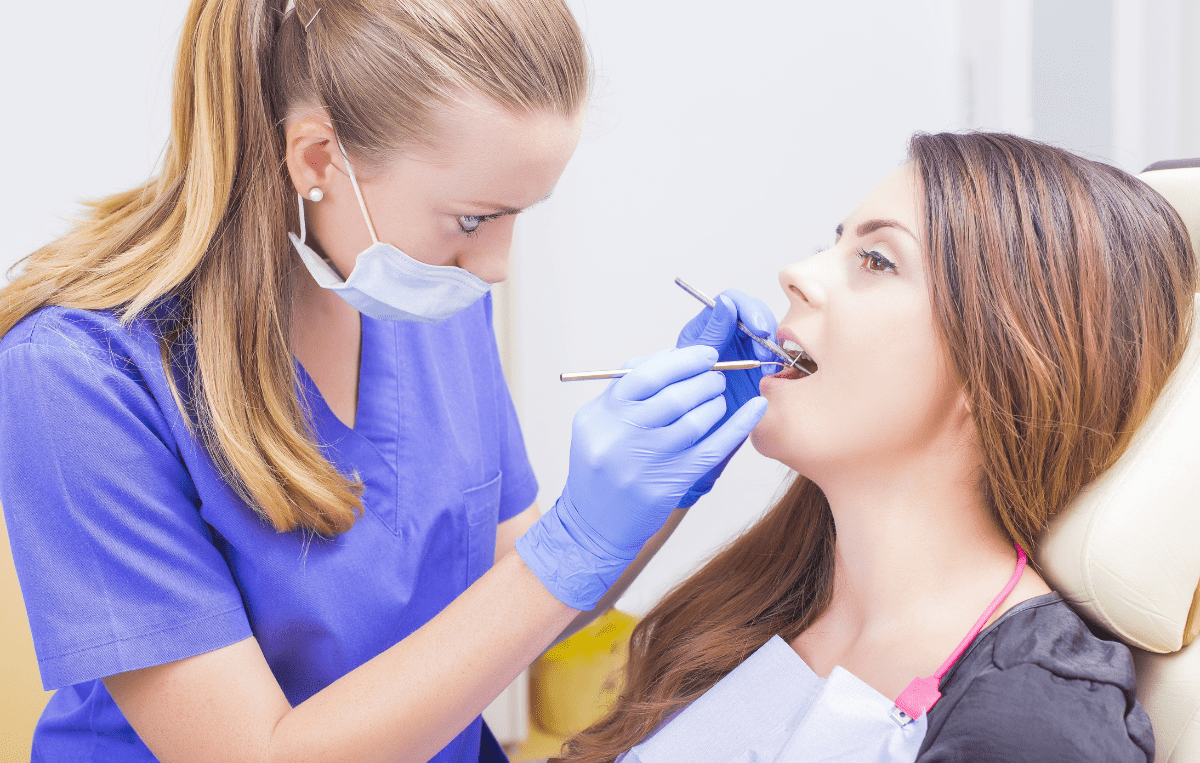
The dental team will examine the implant site and complete a gum evaluation. Sunnyvale Implant Center provides periodontal care in San Jose when gum disease must be controlled before or alongside implant planning.
Planning the day of surgery
Instructions about eating and diabetes medication depend on the procedure and whether sedation is planned. Confirm these instructions with both the dental office and the medical clinician who manages your prescriptions. Bring any monitoring supplies and quick-acting glucose source your care team recommends.
Tell the team promptly if you feel symptoms of low or high blood glucose. Never fast merely because you assume all dental surgery requires it.
Healing and maintenance
Follow the prescribed cleaning, medication, diet, and follow-up plan. Contact the office for increasing pain, swelling, fever, drainage, persistent bleeding, or a change in how the implant or temporary tooth feels.
Once restored, the implant still needs daily plaque removal and professional monitoring. Diabetes and a history of periodontal disease can increase the importance of consistent maintenance. The schedule should reflect your current gum measurements and home care rather than a generic interval.
Choosing the right tooth replacement
The dentist will compare implant treatment with other ways to replace the missing tooth. The location, bone volume, health of adjacent teeth, ability to clean the restoration, medical stability, and personal priorities all shape the recommendation.
Review Sunnyvale Implant Center’s dental implant options and bring questions about the number of stages, temporary teeth, and recovery.
Frequently Asked Questions
Is an A1C test required before dental implants?
Some dentists request recent information about glucose control, while others coordinate directly with a physician. The need depends on your health history and the planned surgery.
Can diabetes cause a dental implant to fail?
Diabetes is one factor among many. Poor glucose control may increase infection and delayed-healing risks, but the dentist must evaluate the complete clinical picture.
Should I take my diabetes medication before implant surgery?
Follow specific instructions from the clinicians managing your surgery and medication. Do not skip or change a dose based on general online advice.
How often should a patient with diabetes have an implant checked?
The interval depends on gum health, plaque control, previous periodontal disease, and medical status. Your dentist will recommend a personalized recall schedule.
To discuss your medical history and tooth replacement choices, request an implant consultation at Sunnyvale Implant Center.