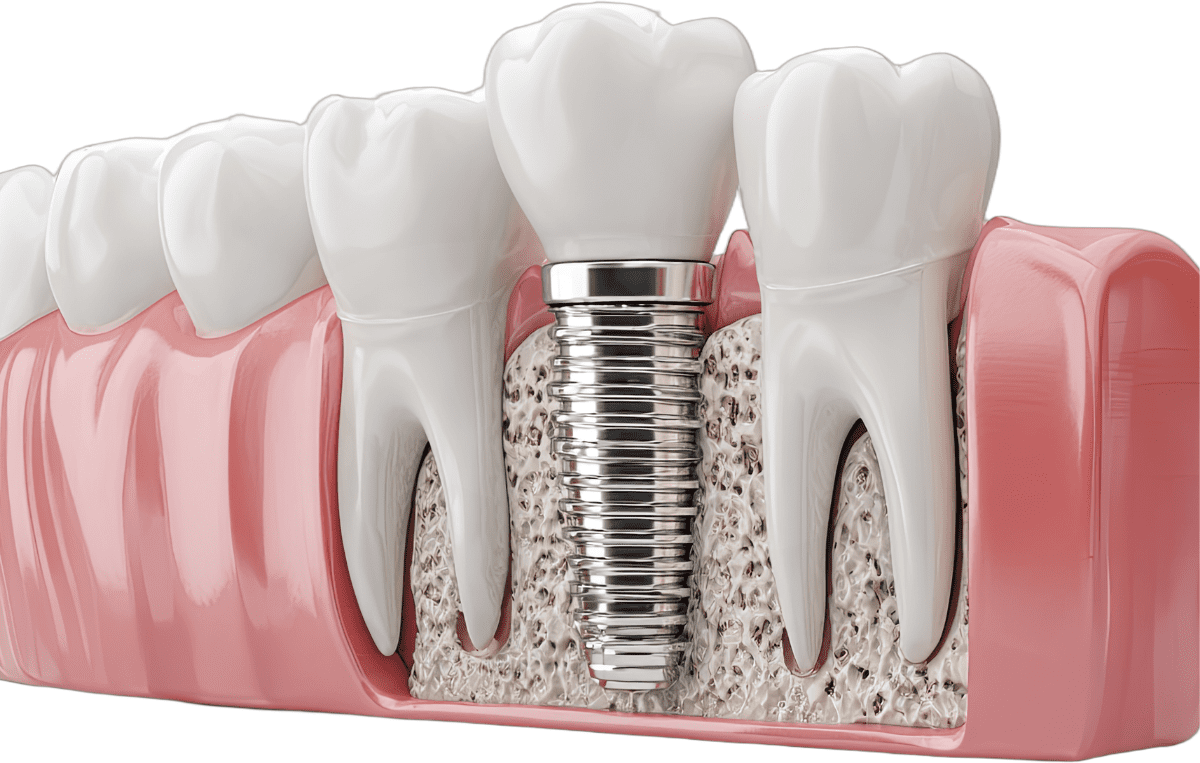

Dental implant treatment is a process rather than a single appointment. The visible crown is only one part of the restoration. Beneath it, the implant must remain stable while the surrounding bone heals and connects with its surface. This phase is called osseointegration.
The exact dental implant healing timeline depends on the implant location, bone quality, grafting, medical health, and the type of final restoration. Your dentist’s instructions always take priority, but the stages below explain the usual sequence.
Before implant placement
Planning may include an exam, dental imaging, and a review of your health and medications. If a damaged tooth remains, it may need to be removed. Some sites also require bone grafting to create adequate support.
An extraction and implant can sometimes be completed during the same visit, but immediate placement is not appropriate in every situation. Infection, bone defects, or the need for graft healing can change the plan. Sunnyvale Implant Center provides both oral surgery and implant services, allowing the stages to be coordinated around the needs of the site.
The first few days after surgery
Mild bleeding, swelling, tenderness, and bruising can occur after implant surgery. These effects often improve gradually. Follow the written instructions you receive for medications, oral hygiene, food, and activity. Do not probe the area with your fingers or tongue.
Call the office if bleeding will not slow, swelling worsens after initially improving, pain becomes difficult to control, you develop a fever, or something feels loose. A clinician should assess unexpected symptoms rather than relying on an online timeline.
The first one to two weeks
The gum tissue begins to close around the surgical site. If non-dissolving sutures were used, the team may remove them at a follow-up visit. Many patients return to ordinary daily activities quickly, but the implant is still healing beneath the surface.
Continue cleaning as instructed. Good plaque control matters because inflammation around the surgical site can interfere with healthy healing. Avoid smoking and nicotine during recovery; the FDA notes that smoking may delay healing and reduce long-term implant success.
Osseointegration over the next several months
During osseointegration, living bone develops close contact with the implant. The process cannot be judged by how comfortable the area feels. A site may feel normal while bone healing is still underway.
The American Dental Association explains that osseointegration takes time and that some patients wait several months before replacement teeth are attached. Read the ADA’s overview of how dental implants heal.
Your dentist may use examinations and imaging to decide when the implant is ready for the restorative phase. Avoid comparing your timeline with another patient’s because grafting, implant stability, and the planned restoration can differ.
The abutment and impression stage
An abutment connects the implant to the crown, bridge, or denture. Depending on the surgical approach, the abutment may be placed at implant surgery or during a later visit. In some cases, a small second procedure exposes the implant after it has integrated.
The restorative team then records the position of the implant and the shape of your bite. Digital scans or impressions guide the laboratory that makes the final tooth. Color, contour, contact with neighboring teeth, and how the restoration meets the opposing teeth all matter.
Placement of the final crown
When the implant and surrounding tissues are ready, the dentist attaches the final restoration. The bite is checked and adjusted. You should receive instructions for cleaning around the crown and information about follow-up care.
The implant itself cannot develop a cavity, but plaque can still inflame the surrounding gums and supporting bone. Continue routine professional care through general dentistry services and any maintenance interval recommended for your gums.
What can lengthen the timeline?
Bone grafting, infection treatment, uncontrolled medical conditions, tobacco use, delayed tissue healing, or the need to redesign a restoration can add time. These delays are often intended to protect the foundation of the implant rather than simply postpone the result.
Frequently Asked Questions
How long does a dental implant take from start to finish
Many cases take several months, but there is no single timeline. Extraction healing, grafting, implant integration, and laboratory work can all affect the schedule.
Can I have a temporary tooth while the implant heals
Often, yes. The appropriate temporary option depends on the implant’s stability, its location, and the forces placed on it. Your dentist will explain what is safe for your case.
Does feeling no pain mean the implant has fully healed
No. Comfort does not confirm that osseointegration is complete. Your dental team must evaluate the implant before placing it under full function.
Why does bone grafting add time?
Grafted material needs time to support new bone formation. The implant may be placed with the graft or after the grafted area develops, depending on the defect and treatment plan.
To receive a timeline based on your mouth and health history, schedule a dental implant consultation in San Jose.