Saving natural teeth is always a dentist’s primary goal. However, there are situations where a tooth becomes too damaged, infected, or problematic to remain in the mouth. In these cases, tooth extraction may be the most effective way to protect your oral health and prevent further complications.
Many patients feel anxious when they hear they need an extraction, but modern dental techniques and sedation options make the procedure safer and more comfortable than ever before.
At Sunnyvale Implant Center, patients receive personalized care before, during, and after tooth extraction procedures to ensure a smooth recovery and long-term oral health success.
What Is a Tooth Extraction?
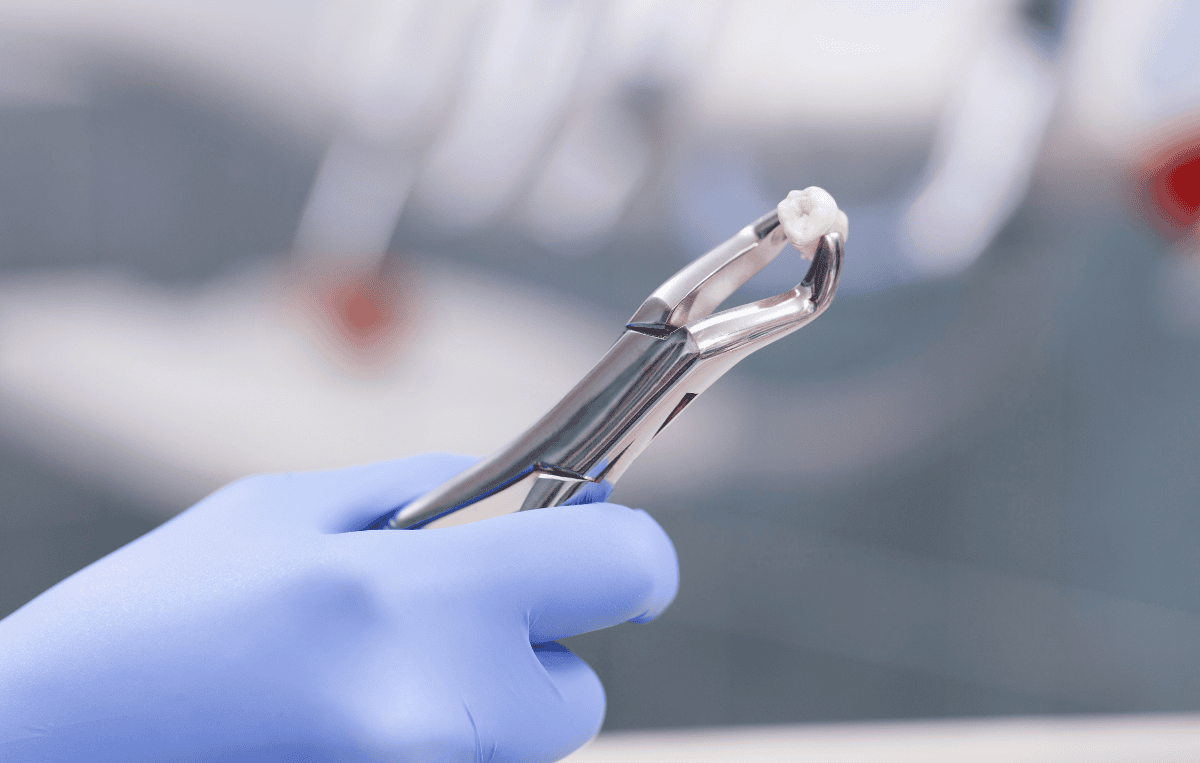
A tooth extraction is the removal of a tooth from its socket in the jawbone.
Although dentists work hard to preserve natural teeth whenever possible, extraction may become necessary when a tooth cannot be restored effectively.
Modern extraction procedures are designed to minimize discomfort while promoting healthy healing.
Why Dentists Try to Save Teeth First
Before recommending extraction, dentists may consider alternative treatments such as:
- Dental fillings
- Crowns
- Root canal therapy
- Periodontal treatment
When these options are no longer viable, extraction may be the best solution.
Common Reasons for Tooth Extraction
There are several situations in which tooth removal may be recommended.
Severe Tooth Decay
When decay extends deep into the tooth and compromises its structure, restoration may no longer be possible.
Extraction can help eliminate infection and protect surrounding teeth.
Advanced Gum Disease
Periodontal disease can destroy the bone and tissues supporting teeth.
When teeth become loose due to bone loss, extraction may be necessary.
Dental Trauma
Teeth that have been severely fractured or damaged due to accidents may not be repairable.
Extraction may be recommended when the damage extends below the gumline.
Wisdom Teeth Problems
Wisdom teeth often create complications such as:
- Impaction
- Infection
- Crowding
- Pain
- Damage to adjacent teeth
Removing problematic wisdom teeth can prevent future oral health concerns.
Orthodontic Treatment
In some cases, extractions help create space for proper tooth alignment during orthodontic treatment.
Types of Tooth Extractions
Not all extractions are the same.
The procedure used depends on the condition and position of the tooth.
Simple Tooth Extraction
A simple extraction is performed when the tooth is fully visible above the gumline.
The dentist gently loosens the tooth and removes it using specialized instruments.
Simple extractions are commonly performed under local anesthesia.
Surgical Tooth Extraction
A surgical extraction is necessary when:
- A tooth is impacted
- A tooth has broken below the gumline
- Access to the tooth is limited
Surgical procedures may involve small incisions and additional techniques to safely remove the tooth.
What to Expect During a Tooth Extraction
Understanding the process can help reduce anxiety and improve confidence.
Consultation and Evaluation
Before treatment, your dentist will evaluate:
- Dental X-rays
- Bone structure
- Tooth position
- Overall oral health
This assessment helps determine the safest treatment approach.
Anesthesia and Sedation
Patient comfort is a priority.
Options may include:
- Local anesthesia
- Oral sedation
- Nitrous oxide
- IV sedation
The appropriate option depends on the complexity of the procedure and patient preferences.
Tooth Removal
Once the area is numb, the tooth is carefully removed.
Most procedures are completed efficiently with minimal discomfort.
Recovery After Tooth Extraction
Proper aftercare is essential for successful healing.
Most patients recover without complications when they follow post-operative instructions.
The First 24 Hours
During the first day after extraction:
- Bite gently on gauze as directed
- Avoid vigorous rinsing
- Rest as much as possible
- Apply cold compresses to reduce swelling
Protecting the blood clot is critical during this stage.
Managing Swelling and Discomfort
Mild discomfort and swelling are normal.
Helpful recovery tips include:
- Taking medications as prescribed
- Using ice packs
- Staying hydrated
- Eating soft foods
Most symptoms improve within several days.
Foods to Eat During Recovery
Recommended foods include:
- Yogurt
- Applesauce
- Mashed potatoes
- Smoothies
- Soup
- Scrambled eggs
Avoid hard, crunchy, or spicy foods until healing progresses.
Understanding Dry Socket
Dry socket is one of the most common extraction complications.
It occurs when the protective blood clot becomes dislodged prematurely.
Symptoms of Dry Socket
Signs may include:
- Severe pain
- Bad taste in the mouth
- Visible bone within the socket
- Pain radiating to the ear
Prompt treatment can provide relief and support healing.
How to Reduce Risk
To help prevent dry socket:
- Avoid smoking
- Avoid drinking through straws
- Follow post-operative instructions carefully
- Maintain proper oral hygiene
Replacing Missing Teeth After Extraction
Removing a tooth often creates an opportunity to restore the area with a long-term replacement solution.
Why Replacement Matters
Leaving a missing tooth untreated can result in:
- Bone loss
- Shifting teeth
- Bite problems
- Changes in facial appearance
Replacing the tooth helps preserve oral function and health.
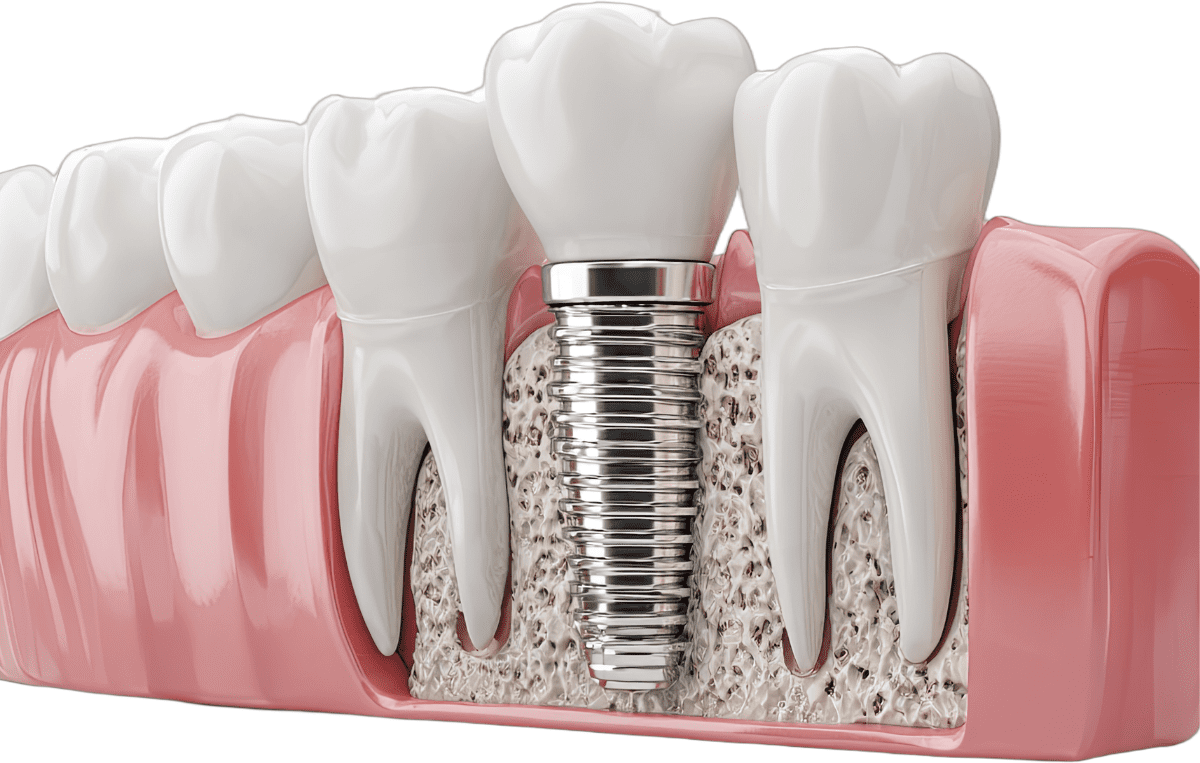
Dental Implants After Extraction
Dental implants are often considered the preferred tooth replacement solution.
Benefits include:
- Natural appearance
- Jawbone preservation
- Long-term durability
- Improved chewing ability
Many patients choose implants after extraction to restore their smiles permanently.
Why Choose Sunnyvale Implant Center for Tooth Extractions?
Patients seeking tooth extraction in San Jose, CA, choose Sunnyvale Implant Center because of its comprehensive approach to oral surgery and tooth replacement.
The practice offers:
- Advanced imaging technology
- Comfortable treatment options
- Sedation dentistry
- Surgical expertise
- Dental implant solutions
This combination helps patients receive efficient treatment and comprehensive long-term care.
FAQs
Is a tooth extraction painful?
Modern anesthesia and sedation techniques help ensure patient comfort throughout the procedure.
How long does extraction recovery take?
Most patients recover within one to two weeks, depending on the complexity of the extraction.
Can I drive home after an extraction?
If sedation is used, you may need someone to drive you home.
When can I get a dental implant after extraction?
Timing varies depending on bone quality, healing, and individual treatment needs.
Need a tooth extraction or oral surgery consultation? Contact Sunnyvale Implant Center today to schedule an evaluation and learn about your treatment and tooth replacement options.