Gum disease is one of the most common oral health conditions affecting adults today. Despite its prevalence, many people are unaware they have gum disease until it reaches an advanced stage.
Left untreated, gum disease can lead to gum recession, bone loss, loose teeth, and even tooth loss. Fortunately, early diagnosis and treatment can help prevent serious complications and preserve your oral health.
A trusted dentist in San Jose, CA, can identify the signs of gum disease and recommend appropriate treatment options based on the severity of the condition.
At Sunnyvale Implant Center, comprehensive periodontal evaluations help patients maintain healthy gums and protect their smiles.
What Is Gum Disease?
Gum disease, also known as periodontal disease, is a bacterial infection that affects the tissues supporting the teeth.
The condition develops when plaque and bacteria accumulate around the gumline.
Without proper oral hygiene and professional care, inflammation can progress and damage the gums and supporting bone structures.
Common Causes of Gum Disease
Several factors contribute to gum disease, including:
- Poor oral hygiene
- Smoking
- Diabetes
- Hormonal changes
- Genetics
- Certain medications
- Chronic dry mouth
Understanding risk factors can help patients take proactive steps toward prevention.
Early Signs of Gum Disease
One of the challenges of gum disease is that symptoms are often mild during the early stages.
Common warning signs include:
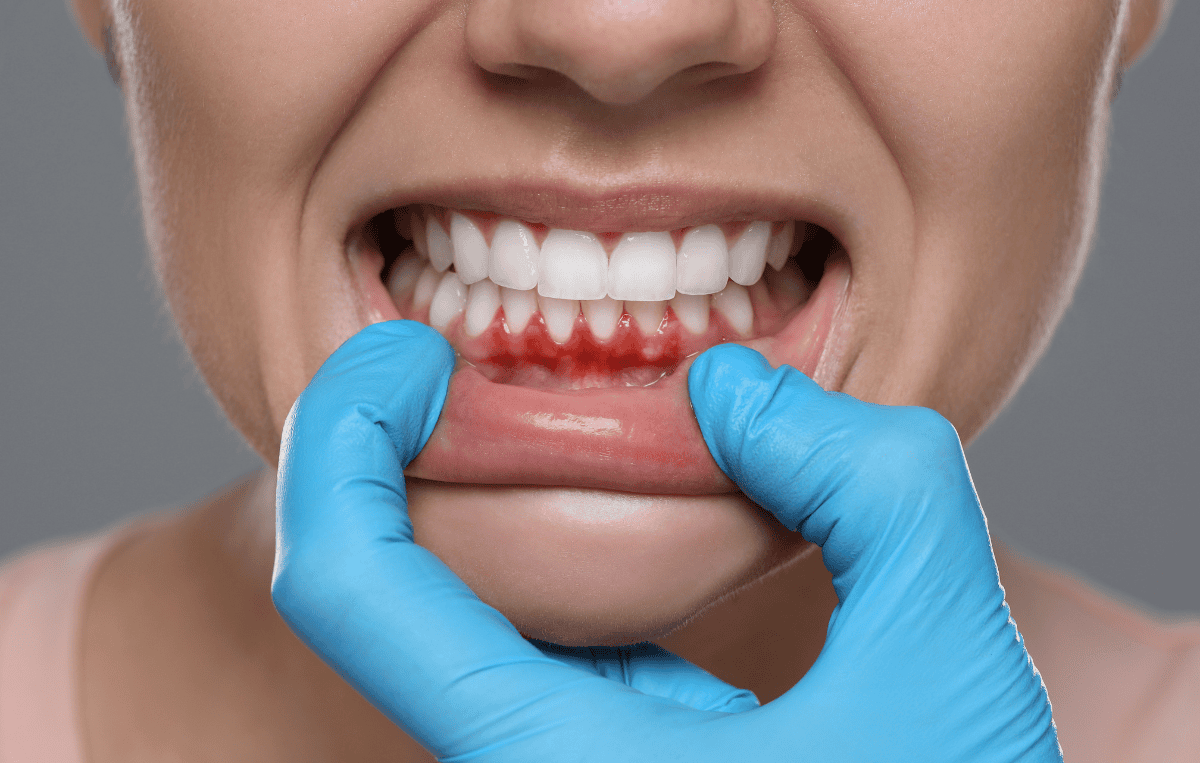
- Bleeding gums
- Red gums
- Swollen gums
- Persistent bad breath
- Tenderness
- Gum recession
Patients should never ignore these symptoms, as early intervention often leads to better outcomes.
Why Bleeding Gums Should Not Be Ignored
Many people assume bleeding during brushing or flossing is normal.
In reality, healthy gums generally do not bleed.
Bleeding may indicate inflammation caused by bacterial buildup and should be evaluated by a dental professional.
Understanding the Stages of Gum Disease
Gum disease progresses through multiple stages.
Recognizing these stages helps patients understand the importance of early treatment.
Gingivitis
Gingivitis is the earliest and most treatable stage.
Symptoms include:
- Redness
- Swelling
- Bleeding during brushing
At this stage, damage is often reversible with professional care and improved oral hygiene.
Early Periodontitis
As gum disease advances, bacteria begin affecting the supporting bone structures around teeth.
Signs may include:
- Deeper gum pockets
- Increased inflammation
- Mild bone loss
Moderate to Advanced Periodontitis
Advanced gum disease can result in:
- Significant bone loss
- Loose teeth
- Gum recession
- Tooth loss
Treatment becomes more complex as the disease progresses.
How Gum Disease Affects Overall Health
Research continues to reveal connections between oral health and systemic health.
Untreated gum disease has been associated with:
- Heart disease
- Diabetes complications
- Respiratory illnesses
- Pregnancy complications
Maintaining healthy gums may contribute positively to overall wellness.
The Oral-Systemic Health Connection
Chronic inflammation within the mouth may affect other areas of the body.
This highlights the importance of routine dental care and periodontal evaluations.
Treatment Options for Gum Disease
Treatment recommendations depend on the severity of the condition.
Professional Dental Cleanings
For early-stage gingivitis, professional cleanings often remove plaque and tartar buildup responsible for inflammation.
Scaling and Root Planing
Often referred to as a deep cleaning, scaling and root planing removes bacteria from beneath the gumline.
This treatment helps:
- Reduce inflammation
- Shrink gum pockets
- Promote healing
Ongoing Periodontal Maintenance
Patients with a history of gum disease may require more frequent maintenance visits to prevent recurrence.
Regular monitoring is essential for long-term success.
Preventing Gum Disease
Prevention remains the most effective approach.
Patients can reduce their risk by:
- Brushing twice daily
- Flossing every day
- Using antimicrobial mouthwash
- Avoiding tobacco products
- Attending routine dental visits
These habits help control bacterial buildup and maintain healthy gums.
Gum Disease and Dental Implants
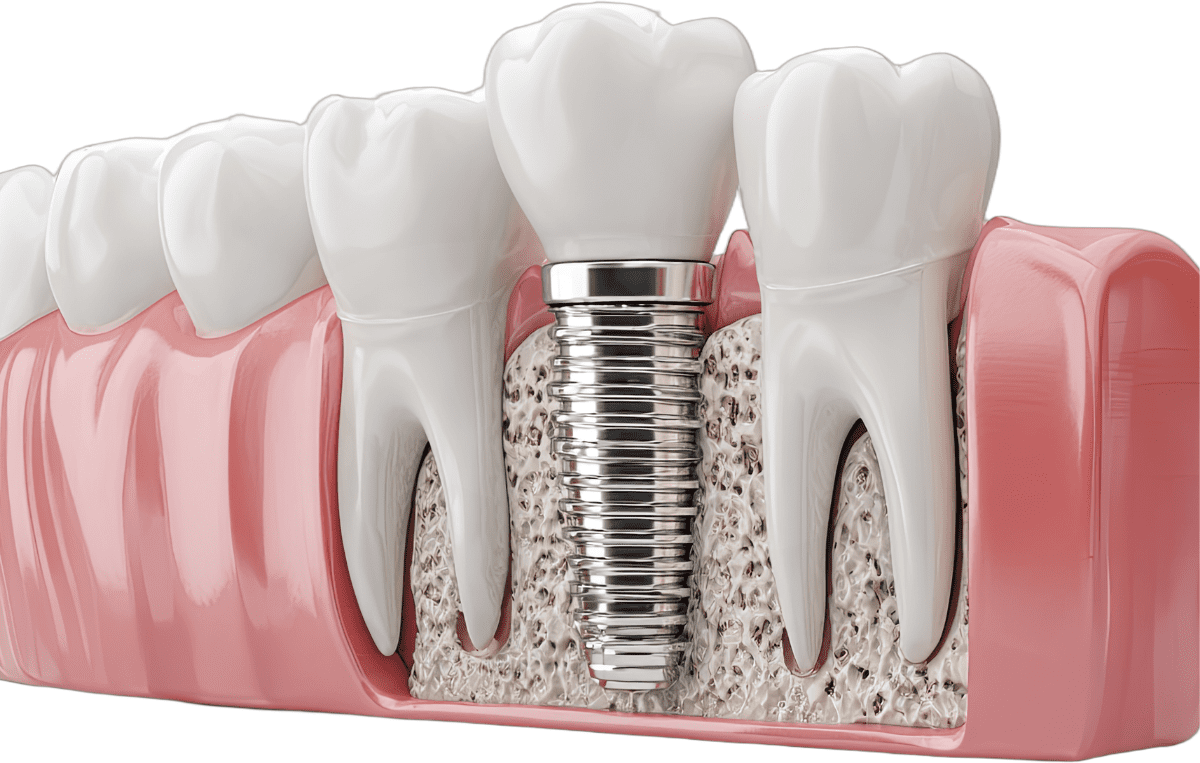
Healthy gums are essential for successful dental implant treatment.
Patients considering implants should address any active gum disease before undergoing implant placement.
Why Gum Health Matters
Healthy gum tissue provides a strong foundation for dental implants.
Treating periodontal disease beforehand helps improve long-term implant success rates.
Why Choose Sunnyvale Implant Center for Gum Disease Treatment?
Patients seeking a dentist in San Jose, CA, trust Sunnyvale Implant Center for comprehensive periodontal care.
The practice offers:
- Thorough periodontal evaluations
- Advanced diagnostics
- Personalized treatment plans
- Preventive maintenance programs
- Comprehensive restorative solutions
This patient-centered approach helps preserve oral health and prevent future complications.
FAQs
Can gum disease be reversed?
Gingivitis, the earliest stage of gum disease, can often be reversed with prompt treatment and improved oral hygiene.
Is gum disease painful?
Many patients experience little or no pain during the early stages, which is why regular dental visits are important.
What causes bleeding gums?
Bleeding gums are commonly caused by inflammation resulting from plaque and bacterial accumulation.
Can gum disease lead to tooth loss?
Yes. Advanced periodontal disease is one of the leading causes of adult tooth loss.
Concerned about bleeding gums or signs of periodontal disease? Schedule a comprehensive periodontal evaluation at Sunnyvale Implant Center and take the first step toward healthier gums and a healthier smile.