A removable denture can replace many teeth, yet it may shift when you eat or speak. Adhesive does not solve every fit problem. An implant-supported overdenture attaches to implants in the jaw. It can still be removed for cleaning, but the attachments give it more hold during daily use. At Sunnyvale Implant Center, patients can review dental implant options and receive a plan based on an exam, health history, and imaging.
What Is an Implant-Supported Overdenture?
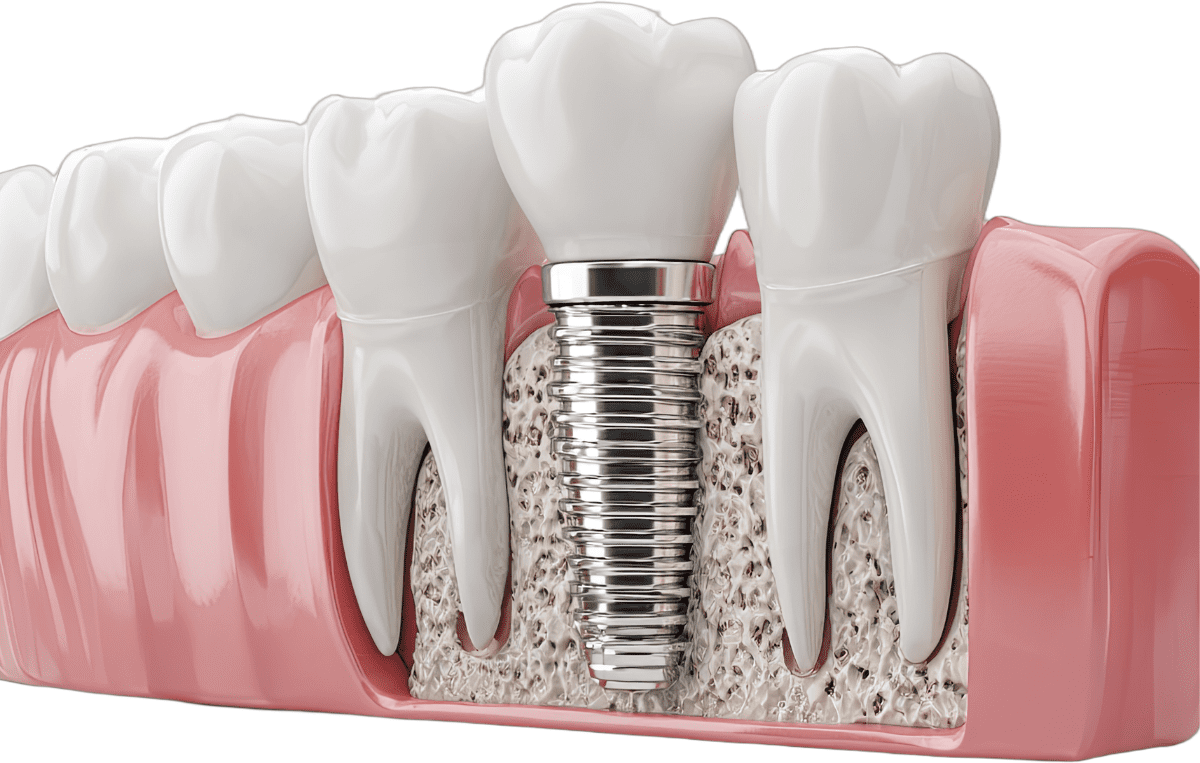
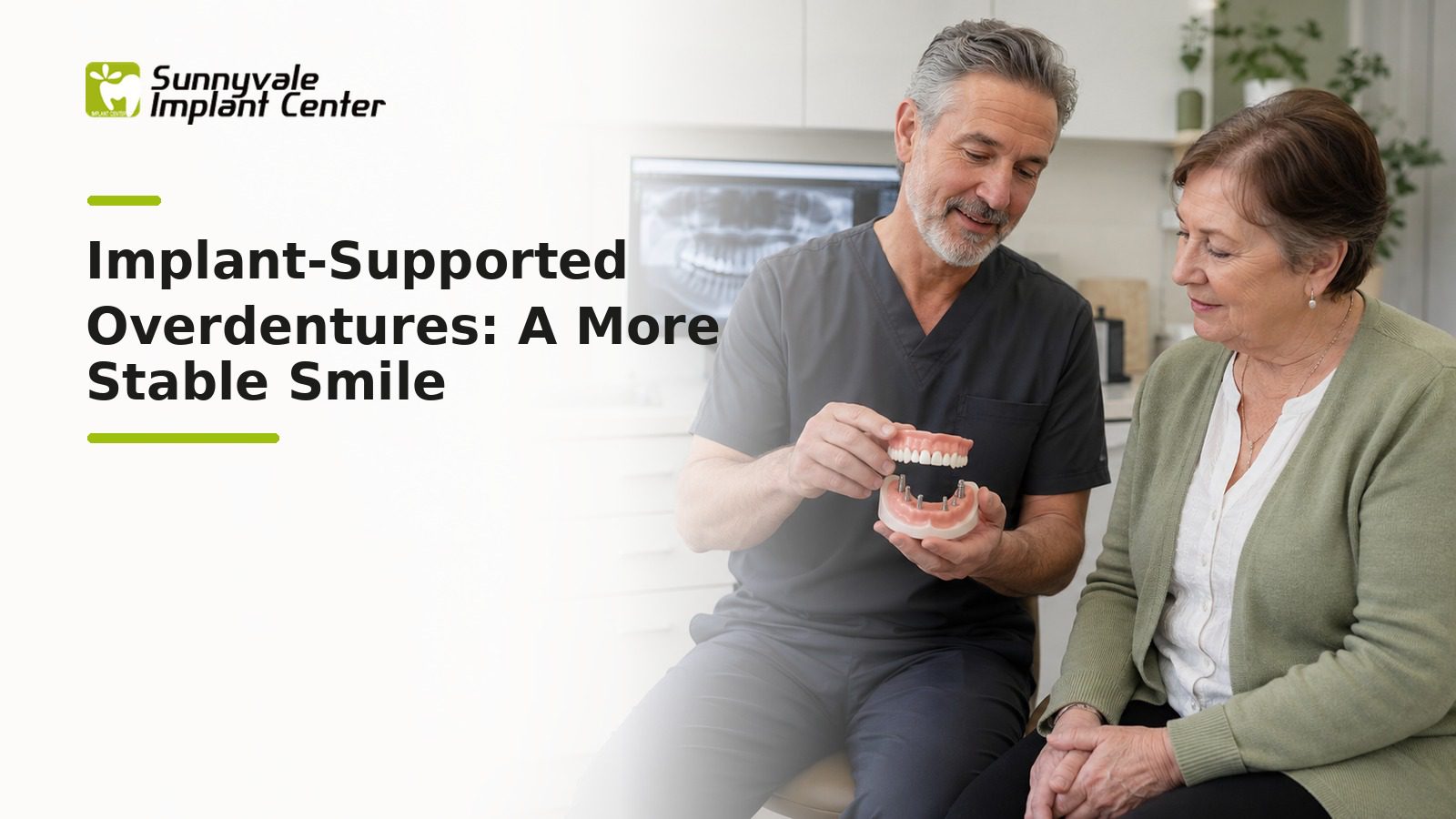
An overdenture looks much like a standard full denture. The key difference is underneath. Small parts in the denture connect with implants placed in the jaw. The design may use individual snap-style attachments or a bar. The number and position of implants depend on the jaw, bone, bite, and planned denture.
Why a Dentist May Recommend an Evaluation
Common reasons to schedule an evaluation include:
- A lower denture lifts or slides during meals
- Denture adhesive feels messy or unreliable
- Sore spots return even after fit adjustments
- A patient wants removable teeth with better retention
- The bone and health history support implant treatment
These signs do not confirm one diagnosis. They show that the area deserves a closer look. Early care can preserve more choices and may prevent a small problem from becoming an urgent one.
How the Dental Team Evaluates the Area
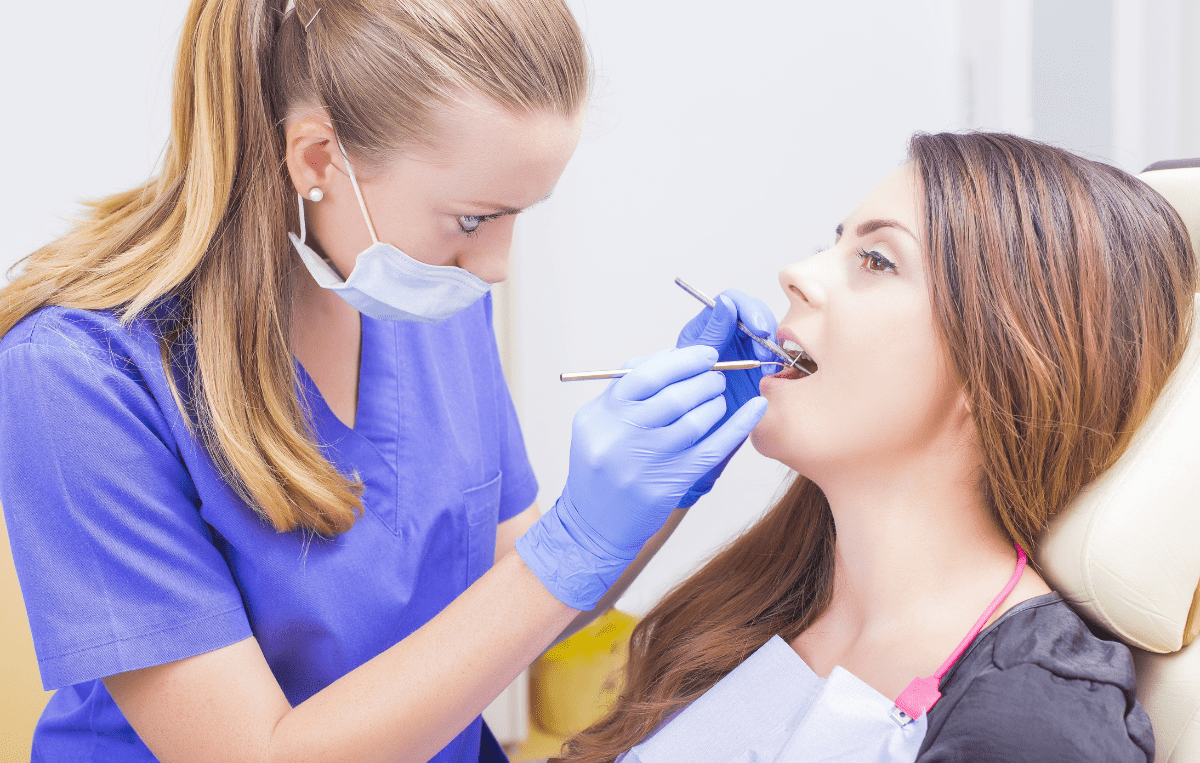
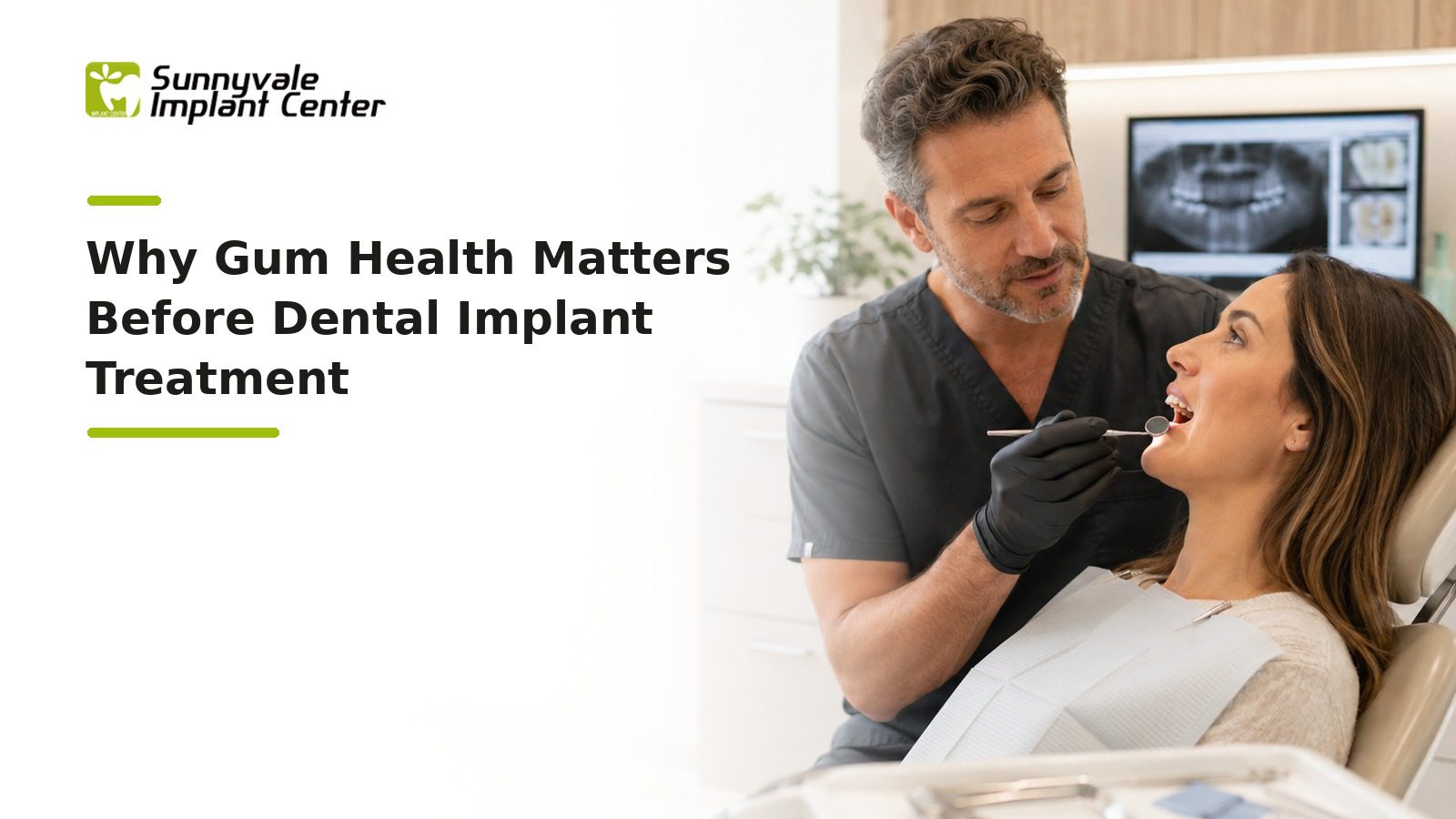
A complete exam checks the gums, bone, bite, current denture, and smile goals. Images help show where implants may fit. The dentist also reviews hand skills and cleaning needs. An overdenture must be removed and cleaned, so the design should match the patient’s ability to care for it. A useful consultation should leave you with a clear diagnosis, not just a procedure name. Ask what the images show, why the care is recommended, what other choices exist, how many visits are likely, and what you must do at home. Share every medicine and health condition. Details such as blood thinners, diabetes control, tobacco use, past reactions, and upcoming travel can change timing or aftercare.
What Treatment May Involve
Care is tailored to the findings. A typical plan may include:
- Plan implant positions and the final denture design
- Place the implants and allow healing when needed
- Make or adjust a denture for the healing stage
- Connect the final attachments after the implants are ready
- Check the bite, comfort, speech, and ease of removal
Comfort is planned before treatment begins. Local anesthetic is used to numb the site. Other options may be discussed when anxiety, procedure length, or health needs call for them. Follow all food, medicine, and driver instructions if sedation is planned. Never assume the rules are the same as a past visit.
Making a Well-Informed Choice
The right plan balances health, function, appearance, time, and cost. A faster plan is not always the best plan, and a more complex plan is not always needed. Your exam and images should guide the choice. If the site needs healing first, that extra time may help create a safer foundation. You can also learn about a guide to dental implant costs in San Jose before your visit. It can help you prepare questions, but it cannot replace a personal exam.
Recovery and Home Care
After implant placement, follow a soft-food plan and surgical care instructions. The denture may need relief so it does not press on healing sites. Once connected, practice inserting and removing it as shown. Clean the denture, attachments, tongue, and gums each day. Take the denture out at night unless the dentist gives different advice. Patients in San Jose also benefit from planning the practical parts of care. Think about work, transportation, meals, and help at home for the first day. Fill needed prescriptions in advance. Keep the office number easy to find. Good preparation lowers stress and makes it easier to follow the recovery plan.
Risks, Limits, and When to Call
Implant support improves retention, but an overdenture is not the same as fixed teeth. It still moves a small amount and needs daily removal. Attachment parts can wear and need replacement. The denture can also crack or lose fit as the mouth changes. Regular checks protect the implants and keep the bite balanced. Call the dental office if you are unsure about a symptom. Seek urgent medical help for trouble breathing, trouble swallowing, severe uncontrolled bleeding, or rapidly spreading swelling.
What Trusted Health Sources Say
For added patient education, review the American Dental Association implant overview. This resource supports informed questions about diagnosis, treatment, and follow-up. Your own dentist should still guide decisions for your mouth and health history.
A Simple Visit and Home-Care Checklist
A calm visit starts with a few small steps. Use this list to get set:
- Write down when the issue began.
- Note what makes it feel better or worse.
- List each drug and dose you take.
- Share any drug or latex allergy.
- Tell the team if you smoke or vape.
- Bring your health and dental plan cards.
- Ask if you may eat before the visit.
- Ask if you will need a ride home.
- Plan soft food if care may be done.
- Keep an ice pack at home if advised.
- Save the office phone in your phone.
- Read all care steps before you leave.
At home, take one step at a time. Rest as told. Sip water. Eat food that feels safe. Keep hands and hard tools away from the site. Use each drug as told. Do not take more than the set dose. If a step is not clear, call and ask. It is better to check than to guess.
Watch how you feel each day. Some pain and puffiness may be part of normal healing. The trend should move the right way. Pain that grows, new fever, a bad taste, or fast swelling may need care. Keep your follow-up visit even if you feel well. The team may spot a small issue before you can feel it.
Bring a short list of questions. You may want to ask:
- What did you find in my exam?
- Can you show me on the image?
- What happens if I wait?
- Is there more than one good choice?
- How many visits may I need?
- How long should I take off work?
- What may I eat that day?
- When may I brush the site?
- Which signs mean I should call?
- What part will my plan pay?
- Will I need care in the years ahead?
- What can I do to help it last?
Take notes or ask a loved one to join you. Repeat the plan in your own words. This can help you spot a missed step. It can also help the team clear up a point before you go home.
Frequently Asked Questions
Can I eat normally with an overdenture?
Most people gain better chewing stability, but it is wise to cut firm food into smaller pieces and build confidence over time.
Does it need adhesive?
Many patients use little or no adhesive after the attachments are active. Needs vary by design and fit.
How long do the attachments last?
The small inserts wear with use. They are maintenance parts and may be changed during dental visits.
Can my current denture be used?
Sometimes it can be adapted. In other cases, a new denture is needed for strength, space, or fit.
Schedule a Consultation in San Jose, CA
If you have symptoms or want to understand your options, schedule a focused evaluation. Sunnyvale Implant Center provides implant, oral surgery, periodontal, and general dental care in one San Jose office. Review Dr. Bong Joon Jang’s training and experience, then request an appointment when you are ready. A personal exam can show what is healthy, what needs attention, and which next step fits your goals.