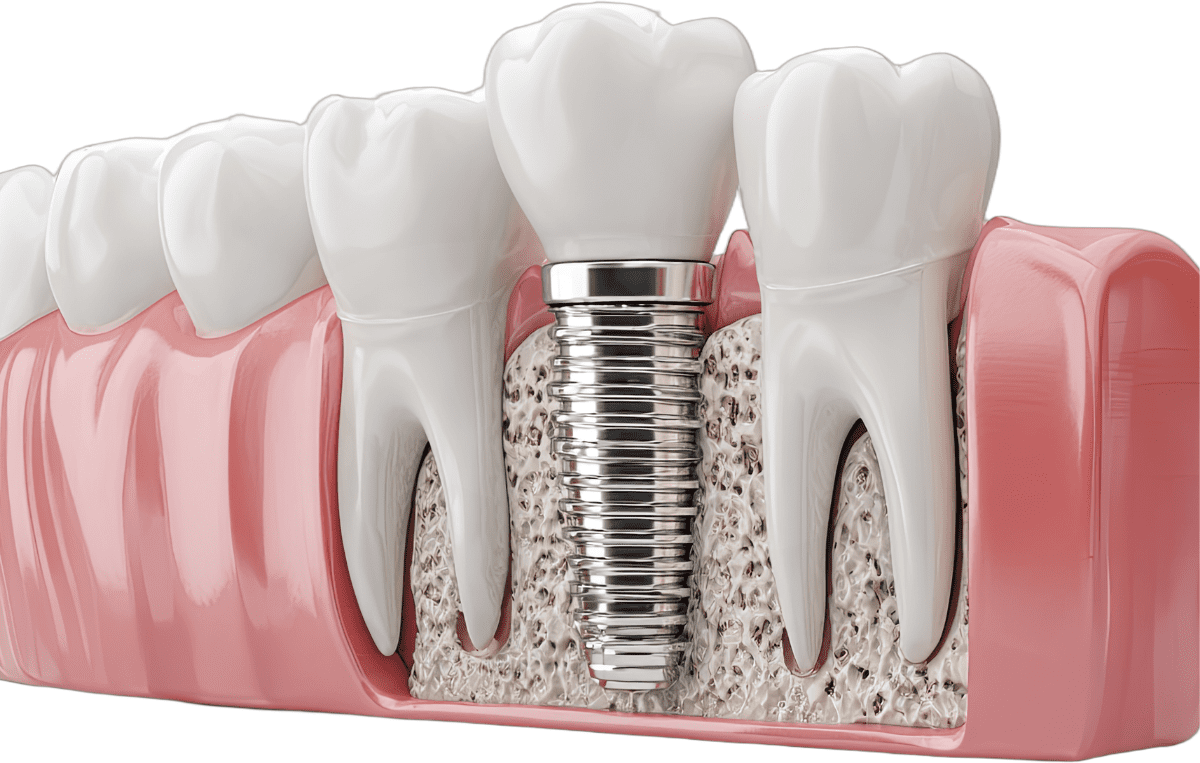
Dental implants cannot develop cavities, but the tissues supporting them can become inflamed. Early inflammation may affect only the gum. When the condition progresses and supporting bone is lost, it is known as peri-implantitis. Recognizing changes early gives your dentist a better opportunity to identify the cause and recommend care.
Do not wait for severe pain. Disease around an implant can develop with mild or intermittent symptoms, and bone loss may not be obvious without professional examination and imaging.
Peri-implant mucositis and peri-implantitis
Peri-implant mucositis is inflammation in the soft tissue surrounding an implant without evidence of supporting bone loss. Peri-implantitis includes inflammation and deterioration of the bone supporting the implant.
The American Academy of Periodontology explains that peri-implant mucositis may be reversible when found early, while peri-implantitis often requires more involved treatment.
Only a dental professional can diagnose which condition is present. Redness or bleeding does not tell you how much bone support remains.
Common warning signs
Changes that should prompt a dental call include bleeding during brushing or flossing, red or tender gums, swelling, drainage, persistent bad taste, or discomfort when chewing. You may also notice that it has become harder to clean the implant or that the gum line looks different.
An implant, abutment, or crown that feels loose needs prompt evaluation. Looseness can have different causes, including a restoration or screw problem, bite forces, or loss of support. Avoid chewing on the area until it is checked.
Why professional examinations matter
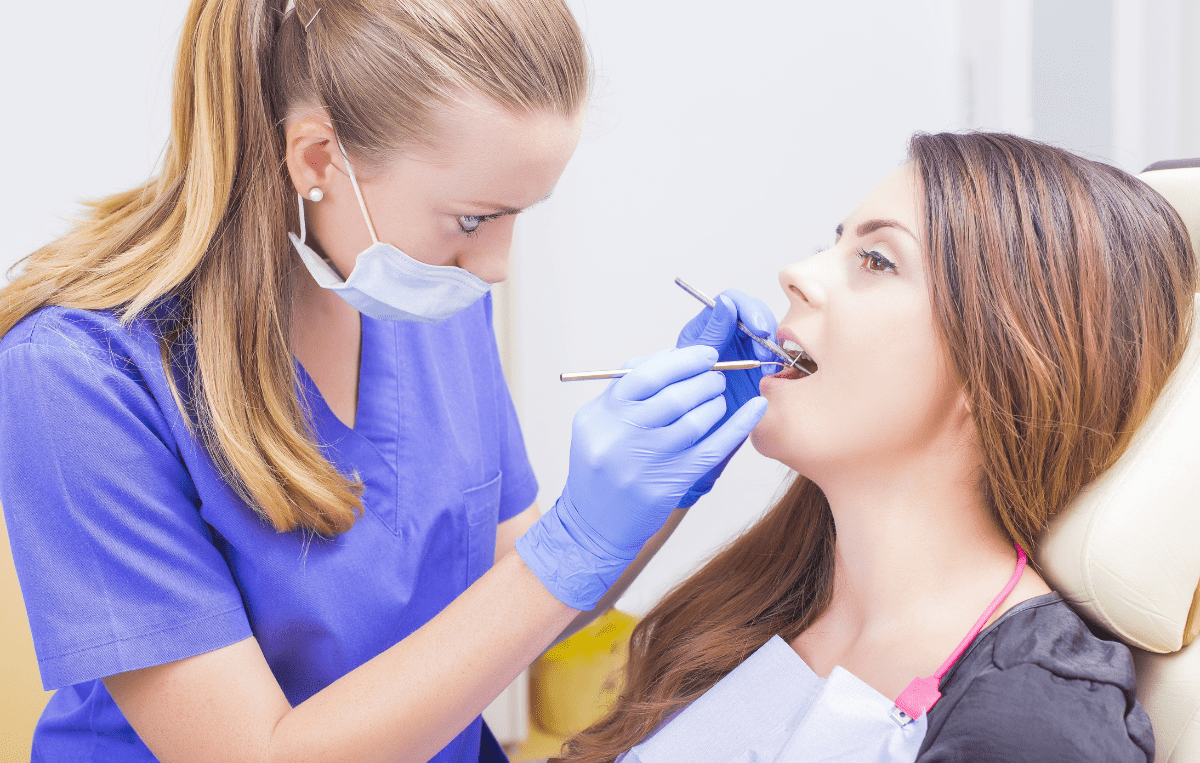
Your dentist can compare current gum measurements and X-rays with earlier records. The exam may include gentle probing, an assessment of bleeding, evaluation of plaque and calculus, checking the bite, and testing whether the restoration or implant moves.
Regular monitoring is important even when you have no symptoms. The FDA recommends regular dental visits and advises patients to report a painful or loose implant promptly.
Risk factors around implants
Poor plaque control, a prior history of periodontal disease, smoking, and diabetes are recognized risk factors for peri-implant disease. A restoration that is difficult to clean can also allow plaque to remain near the gum line. Risk does not prove that disease is present, but it may influence how often the implant is monitored.
Patients with existing gum disease may benefit from Sunnyvale Implant Center’s periodontal services and a maintenance plan matched to their needs.
How problems may be treated
Treatment depends on the diagnosis, the depth and shape of the affected area, implant position, restoration design, and amount of bone loss. Care may include improved home-cleaning techniques, professional removal of deposits, treatment of the implant surface, correction of a restoration that blocks cleaning, or surgical therapy.
Do not attempt to scrape the implant with household tools or place unapproved chemicals beneath the gum. These actions can injure tissue or damage the restoration surface.
Daily care that supports implant health
Brush twice daily with a soft brush and clean around the implant using the method recommended for its design. Floss, interdental brushes, and water flossers can be useful, but the correct size and technique matter. A hygienist can show you how to reach beneath an implant bridge or around an overdenture attachment.
Continue professional cleaning and examinations after your implant is restored. Dental implant care at Sunnyvale Implant Center includes the long-term health of the gum and bone, not only the appearance of the crown.
Frequently Asked Questions
Does bleeding around an implant mean it is failing?
Not necessarily, but bleeding can signal inflammation and should be evaluated, especially if it persists or occurs with swelling, drainage, or bone loss.
Can peri-implantitis be painful?
It can cause tenderness or discomfort, but some patients have little pain. Lack of pain does not guarantee that the surrounding tissues are healthy.
Can peri-implantitis be treated?
Treatment is possible, but the approach and prognosis depend on how early the problem is detected, implant position, restoration design, and the amount of bone loss.
Should I use regular floss around an implant?
The best cleaning tool depends on the restoration and the space around it. Ask the dental team to demonstrate a method that cleans effectively without injuring the tissue.
If you notice bleeding, swelling, pain, drainage, or looseness around an implant, schedule an evaluation rather than waiting for the next routine visit.