Smoking does not affect only the visible surface of the mouth. It changes how tissues respond to bacteria and how they heal after surgery. For someone considering dental implants, tobacco use deserves an honest discussion during treatment planning because an implant depends on healthy gums and supporting bone.
This does not mean every smoker receives the same answer. The type and amount of tobacco used, gum health, bone condition, medical history, and ability to pause or quit can influence the plan. Your dentist needs accurate information to evaluate risk and recommend safer timing.
Why smoking affects the implant site
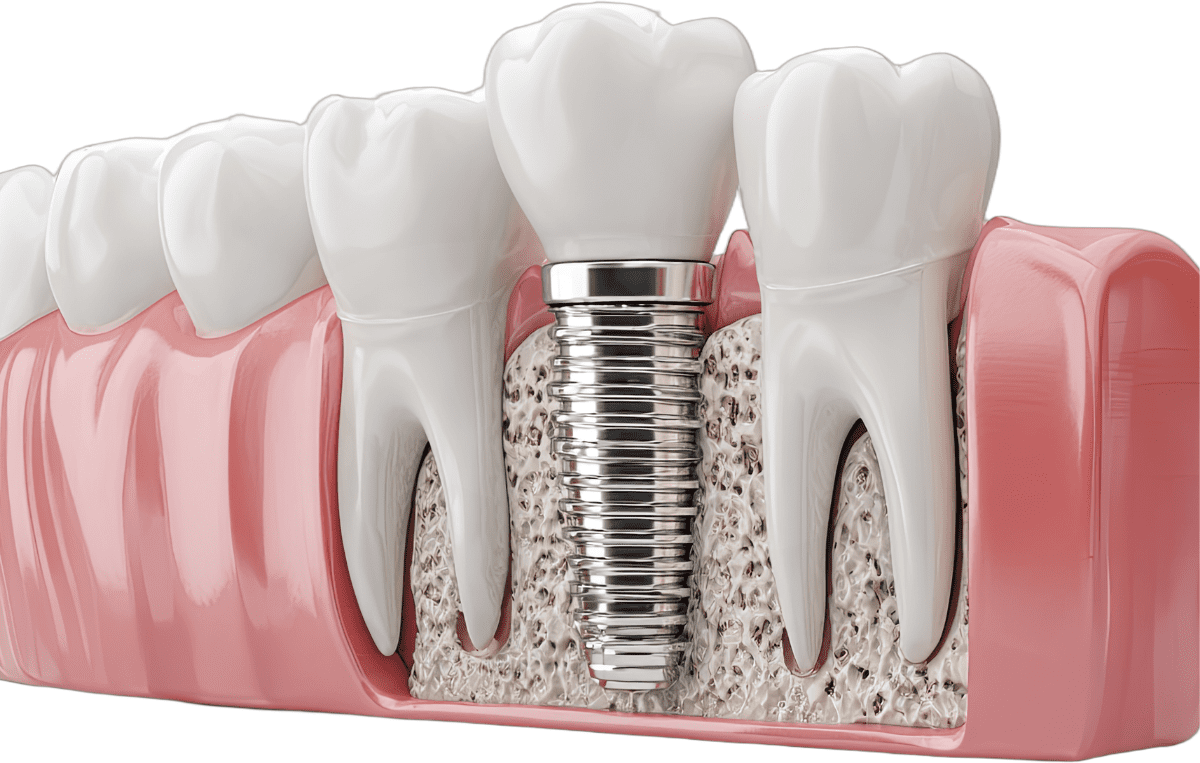
After an implant is placed, the gum tissue must heal, and the jawbone must form a stable connection with the implant. Smoking can interfere with this recovery. The FDA states that smoking may affect healing and decrease the long-term success of an implant.
Tobacco use is also closely tied to periodontal disease. According to the CDC’s information on smoking and gum disease, people who smoke have twice the risk of gum disease compared with nonsmokers, and treatment may not work as well in people who smoke.
Because gum and bone health support both natural teeth and implants, these effects can matter before surgery and for years afterward.
Smoking can hide warning signs
Bleeding gums often alert people to inflammation, but tobacco can alter blood flow in the gum tissue. A smoker may have serious gum disease without dramatic bleeding. That is why a clinical examination, periodontal measurements, and imaging may be needed even if the gums seem quiet.
Sunnyvale Implant Center offers periodontal evaluation and treatment for conditions affecting the gums and tooth-supporting bone. Treating active disease before implant placement helps create a healthier foundation.
What to tell your dentist
Include cigarettes, cigars, pipes, smokeless tobacco, vaping, and nicotine products when discussing your habits. Tell the dentist how often you use them and whether you have tried to stop before. This is clinical information, not a reason for embarrassment.
Also share medications, diabetes status, previous gum disease, and any history of slow healing. These factors can interact with tobacco-related risk.
Quitting or pausing around surgery
The safest recommendation depends on your health and nicotine use. Your dentist may advise stopping before surgery and throughout healing, but the exact timing should be individualized. A primary care clinician can help you select an evidence-based cessation approach, particularly if you use nicotine heavily or have other medical conditions.
The CDC provides free quitting resources, including 1-800-QUIT-NOW, on its gum disease and smoking page. Do not substitute cigarettes with another tobacco or nicotine product without discussing the change with the clinicians managing your care.
Long-term maintenance matters
An implant crown cannot get a cavity, but the gums and bone around the implant can become inflamed. Brush as instructed, clean between the implant and neighboring teeth, and keep professional maintenance visits. Report bleeding, tenderness, swelling, bad taste, or looseness promptly.
If you continue to smoke, regular monitoring becomes especially important. Your dentist may recommend a maintenance interval based on your plaque control, prior gum disease, implant design, and other risk factors.
A personalized implant decision
Implant treatment is not based on one risk factor alone. A complete dental implant consultation considers the condition of the missing-tooth site, your health, your expectations, and whether risk factors can be reduced.
An open discussion gives you a more useful answer than hiding tobacco use and hoping it will not matter.
Frequently Asked Questions
Can smokers get dental implants?
Some smokers may still be candidates, but smoking can increase healing and long-term complications. A dentist must evaluate the individual case and explain the risk.
Is vaping safer for dental implant healing?
Vaping is not risk-free, and nicotine can affect healing. Tell your dentist about all vaping and nicotine use rather than assuming it does not count.
How long should I stop smoking before implant surgery?
There is no appropriate universal answer for every patient. Ask the implant dentist and the clinician helping you quit for a plan based on your procedure and health.
What symptoms should a smoker watch for around an implant?
Redness, swelling, bleeding, tenderness, drainage, bad taste, bone loss, or looseness need dental evaluation. Symptoms may be subtle, so keep scheduled examinations even when the implant feels normal.
To discuss tobacco use and implant candidacy privately, book a visit at Sunnyvale Implant Center in San Jose.