Dental implants have become one of the most reliable and long-lasting solutions for replacing missing teeth. Unlike traditional dentures or bridges, implants are designed to replace both the tooth and its root structure. This provides greater stability, improved chewing ability, and better long-term oral health outcomes. Patients exploring tooth replacement often want to understand the different types of dental implants available. Each implant type is designed to address specific dental conditions, bone levels, and restorative goals. Advances in modern implant dentistry now allow many patients to qualify for treatment who may not have in the past.
Dental implants are typically made from biocompatible titanium or zirconia and are surgically placed into the jawbone. Over time, the implant integrates with the bone in a process called osseointegration. This fusion creates a secure foundation for crowns, bridges, or dentures. The type of implant recommended depends on factors such as bone density, number of missing teeth, and overall oral health. A comprehensive evaluation is essential to determine the most appropriate treatment plan. At Sunnyvale Implant Center in San Jose, CA, we provide advanced implant solutions tailored to each patient’s unique needs and long-term goals.
Endosteal Implants
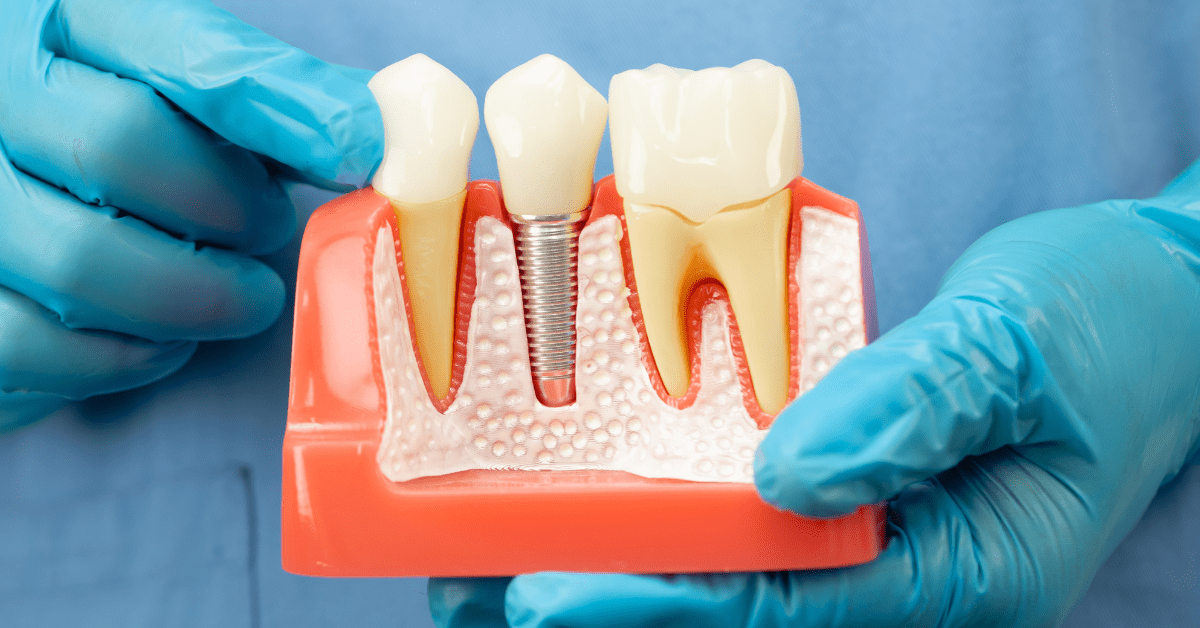
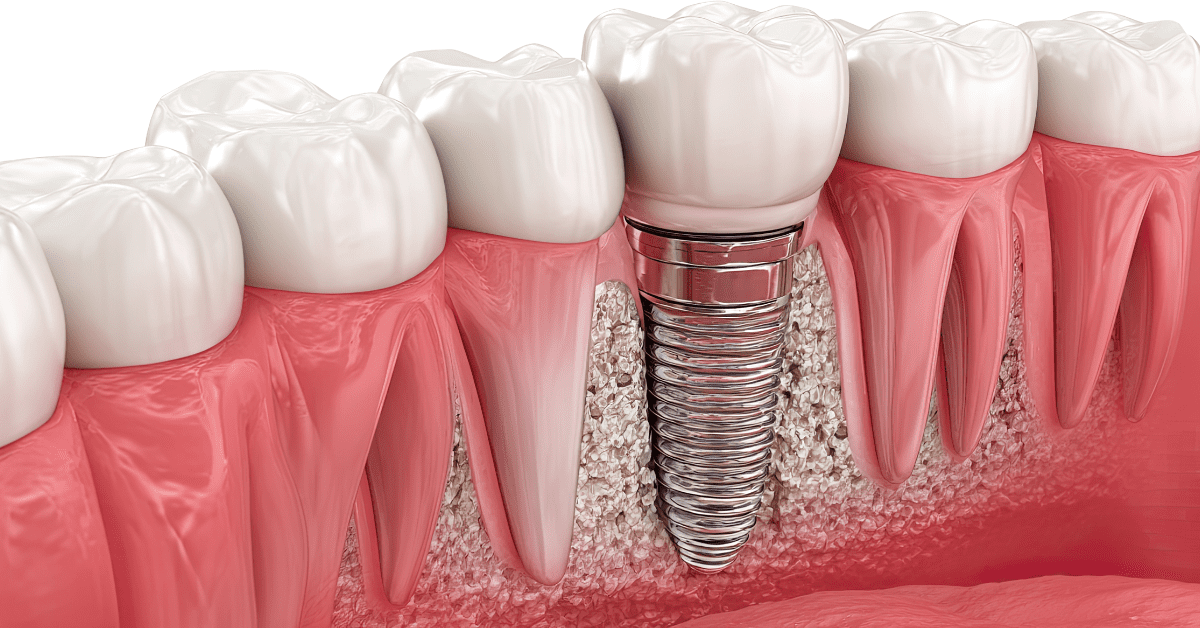
Endosteal implants are the most common type of dental implants. They are surgically placed directly into the jawbone and typically shaped like small screws or cylinders.
Once healed, they serve as a sturdy base for a dental crown, bridge, or implant-supported denture. Endosteal implants are ideal for patients with sufficient bone density and healthy gums.
Subperiosteal Implants
Subperiosteal implants are placed under the gum but above the jawbone. Instead of being embedded in the bone, they sit on top of it and use a metal framework for support.
This option may be recommended for patients who have insufficient bone volume and prefer not to undergo bone grafting procedures. While less common today, they can still be effective in specific cases.
Single-Tooth Implants
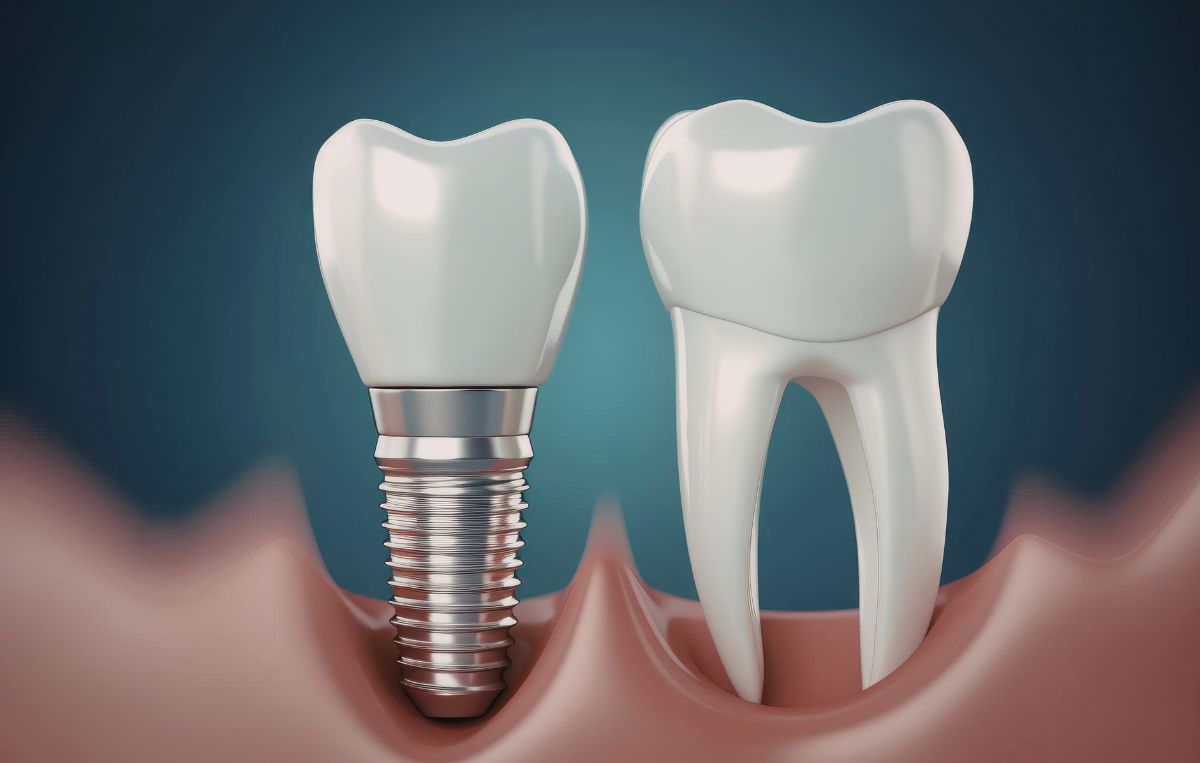
A single-tooth implant replaces one missing tooth without affecting adjacent teeth. It consists of one implant post, one abutment, and one custom crown.
This option preserves surrounding natural teeth and prevents bone loss in the area of the missing tooth. It closely mimics the look and function of a natural tooth.
Implant-Supported Bridges
When multiple teeth are missing in a row, implant-supported bridges may be recommended. Instead of placing an implant for every missing tooth, implants are strategically positioned to support a bridge.
This solution provides stability without relying on natural teeth for support. It is a durable and long-term alternative to traditional bridges.
Implant-Supported Dentures
Implant-supported dentures are designed for patients missing most or all of their teeth. These dentures attach securely to dental implants for improved stability compared to traditional removable dentures.
They help reduce slipping, improve speech clarity, and enhance chewing efficiency. This option also helps maintain jawbone structure over time.
All-on-4® Dental Implants
All-on-4® is an advanced technique used to replace a full arch of teeth using just four strategically placed implants. The implants are angled to maximize existing bone support and often eliminate the need for bone grafting.
This solution offers immediate function in many cases and provides a fixed, natural-looking smile. It is an efficient and cost-effective option for full-mouth restoration.
Which Type of Dental Implant Is Right for You?
The best implant type depends on several factors, including bone density, number of missing teeth, overall health, and long-term goals. Advanced imaging and comprehensive evaluations help determine candidacy.
At Sunnyvale Implant Center in San Jose, CA, we use modern diagnostic technology and personalized treatment planning to recommend the most effective implant solution for each patient.
Benefits of Dental Implants
Regardless of the type, dental implants offer several key benefits:
- Long-lasting durability
- Improved chewing and speaking ability
- Preservation of jawbone structure
- Natural appearance
- Increased comfort and confidence
With proper care and regular dental visits, implants can last decades.
Conclusion
Understanding the different types of dental implants helps you make informed decisions about your oral health. From single-tooth replacements to full-arch restorations, modern implant dentistry offers solutions for nearly every situation.
If you are considering dental implants, schedule a consultation at Sunnyvale Implant Center in San Jose, CA to explore your options and restore your smile with confidence.
Frequently Asked Questions
What is the most common type of dental implant?
Endosteal implants are the most commonly used type of dental implant. They are placed directly into the jawbone and provide strong, long-term support for restorations. Most patients with adequate bone density are good candidates for this option.
How long do dental implants last?
Dental implants are designed to be a long-term tooth replacement solution. With proper care and routine dental checkups, they can last 20 years or more, and many last a lifetime. Good oral hygiene and avoiding habits like smoking help extend their lifespan.
Are dental implants painful?
The implant procedure is typically performed under local anesthesia to ensure comfort. Most patients report mild soreness afterward, which can be managed with medication. Discomfort usually subsides within a few days.
Can I get implants if I have bone loss?
Patients with bone loss may still qualify for implants depending on the severity. Bone grafting procedures or specialized implant techniques like All-on-4® may be recommended. A detailed evaluation determines the best course of action. How long does the dental implant process take?
The timeline varies depending on the type of implant and individual healing. In many cases, the process takes several months to allow for proper osseointegration. Some advanced techniques may allow for faster restoration timelines.