Wisdom teeth are the last molars to develop. Some enter the mouth, stay clean, and never cause trouble. Others remain trapped, grow at an angle, or create a flap of gum that holds food. Pain is one sign, but it is not the only reason to request an exam. At Sunnyvale Implant Center, patients can review oral surgery in San Jose and receive a plan based on an exam, health history, and imaging.
What Are Signs Your Wisdom Teeth May Need to Be Removed?
A wisdom tooth is impacted when it cannot fully enter a useful position. It may be covered by gum, bone, or both. A partially erupted tooth can be hard to brush and floss. The nearby second molar may also be at risk. Removal is based on disease, symptoms, position, and future risk—not age alone.
Why a Dentist May Recommend an Evaluation
Common reasons to schedule an evaluation include:
- Pain or pressure at the back of the jaw
- Swollen gum or repeated infection around a partly erupted tooth
- Decay in the wisdom tooth or nearby molar
- A cyst, bone change, or damage seen on an image
- A position that cannot be kept clean or used in the bite
These signs do not confirm one diagnosis. They show that the area deserves a closer look. Early care can preserve more choices and may prevent a small problem from becoming an urgent one.
How the Dental Team Evaluates the Area
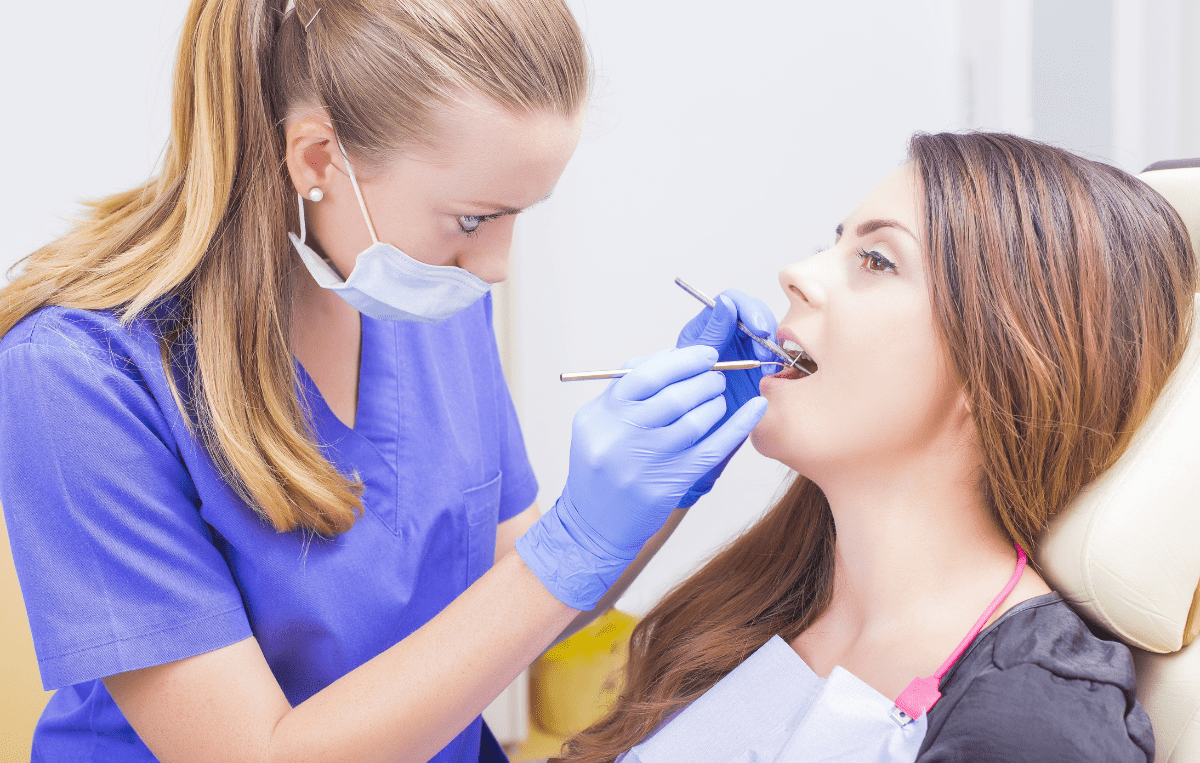
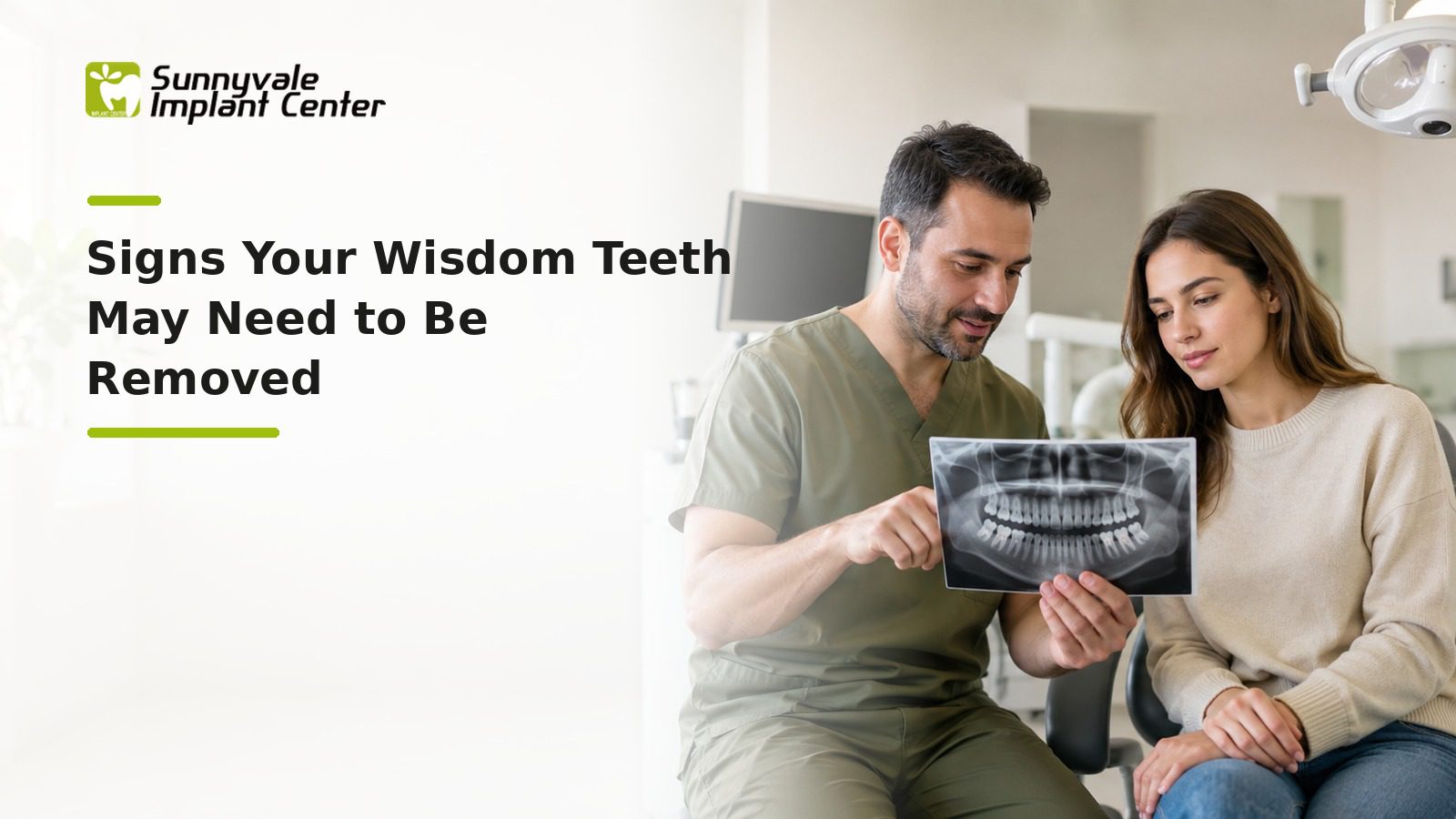
The clinician checks the gums, opening of the mouth, bite, and nearby teeth. Panoramic or 3D imaging may show root shape and closeness to nerves or sinuses. Your health history, medicines, and comfort needs help shape the plan. Teeth that are healthy and functional may only need monitoring. A useful consultation should leave you with a clear diagnosis, not just a procedure name. Ask what the images show, why the care is recommended, what other choices exist, how many visits are likely, and what you must do at home. Share every medicine and health condition. Details such as blood thinners, diabetes control, tobacco use, past reactions, and upcoming travel can change timing or aftercare.
What Treatment May Involve
Care is tailored to the findings. A typical plan may include:
- Review imaging and explain the reason for removal
- Choose local anesthesia and any suitable sedation plan
- Open the gum when needed and remove bone in a controlled way
- Section the tooth if smaller pieces allow safer removal
- Clean and close the site, then provide written recovery steps
Comfort is planned before treatment begins. Local anesthetic is used to numb the site. Other options may be discussed when anxiety, procedure length, or health needs call for them. Follow all food, medicine, and driver instructions if sedation is planned. Never assume the rules are the same as a past visit.
Making a Well-Informed Choice
The right plan balances health, function, appearance, time, and cost. A faster plan is not always the best plan, and a more complex plan is not always needed. Your exam and images should guide the choice. If the site needs healing first, that extra time may help create a safer foundation. You can also learn about the extraction recovery guide before your visit. It can help you prepare questions, but it cannot replace a personal exam.
Recovery and Home Care
Rest and use cold packs as advised. Eat soft food, drink from a cup, and avoid smoking or vaping. Do not rinse hard or disturb the clot during early healing. Begin gentle cleaning when directed. Swelling often peaks after the first day and then improves. Follow the exact medicine plan. Patients in San Jose also benefit from planning the practical parts of care. Think about work, transportation, meals, and help at home for the first day. Fill needed prescriptions in advance. Keep the office number easy to find. Good preparation lowers stress and makes it easier to follow the recovery plan.
Risks, Limits, and When to Call
Dry socket, infection, bleeding, jaw stiffness, and nerve changes are possible. The risk differs by tooth position and age. Call for pain that becomes stronger after it had begun to improve, a bad taste with fever, heavy bleeding, or numbness that concerns you. Call the dental office if you are unsure about a symptom. Seek urgent medical help for trouble breathing, trouble swallowing, severe uncontrolled bleeding, or rapidly spreading swelling.
What Trusted Health Sources Say
For added patient education, review the AAOMS wisdom teeth management guide. This resource supports informed questions about diagnosis, treatment, and follow-up. Your own dentist should still guide decisions for your mouth and health history.
A Simple Visit and Home-Care Checklist
A calm visit starts with a few small steps. Use this list to get set:
- Write down when the issue began.
- Note what makes it feel better or worse.
- List each drug and dose you take.
- Share any drug or latex allergy.
- Tell the team if you smoke or vape.
- Bring your health and dental plan cards.
- Ask if you may eat before the visit.
- Ask if you will need a ride home.
- Plan soft food if care may be done.
- Keep an ice pack at home if advised.
- Save the office phone in your phone.
- Read all care steps before you leave.
At home, take one step at a time. Rest as told. Sip water. Eat food that feels safe. Keep hands and hard tools away from the site. Use each drug as told. Do not take more than the set dose. If a step is not clear, call and ask. It is better to check than to guess.
Watch how you feel each day. Some pain and puffiness may be part of normal healing. The trend should move the right way. Pain that grows, new fever, a bad taste, or fast swelling may need care. Keep your follow-up visit even if you feel well. The team may spot a small issue before you can feel it.
Bring a short list of questions. You may want to ask:
- What did you find in my exam?
- Can you show me on the image?
- What happens if I wait?
- Is there more than one good choice?
- How many visits may I need?
- How long should I take off work?
- What may I eat that day?
- When may I brush the site?
- Which signs mean I should call?
- What part will my plan pay?
- Will I need care in the years ahead?
- What can I do to help it last?
Take notes or ask a loved one to join you. Repeat the plan in your own words. This can help you spot a missed step. It can also help the team clear up a point before you go home.
Frequently Asked Questions
Do all wisdom teeth need removal?
No. Healthy, useful, painless teeth that can be cleaned may be watched.
When is the best age?
There is no single age for everyone. Evaluation is often easier before roots and bone become more mature.
How long is recovery?
Many people return to light tasks in a few days, but healing varies with the number and difficulty of teeth.
What is a dry socket?
It is a painful loss or breakdown of the protective clot. Following aftercare lowers risk but cannot remove it entirely.
Schedule a Consultation in San Jose, CA
If you have symptoms or want to understand your options, schedule a focused evaluation. Sunnyvale Implant Center provides implant, oral surgery, periodontal, and general dental care in one San Jose office. Review Dr. Bong Joon Jang’s training and experience, then request an appointment when you are ready. A personal exam can show what is healthy, what needs attention, and which next step fits your goals.